The headlines are loud and the sentiment is fearful. Yet while rising interest rates Australia property markets dominate the news cycle, a different story is unfolding quietly beneath the noise. Strategic investors are buying, not selling. They're moving forward, not freezing. And they understand something most people sitting on the sidelines do not: opportunity rarely announces itself with fanfare.
The Fear Is Real but the Reality Is More Complex
If you're searching should I buy property now Australia into Google at midnight, you're not alone.
The Reserve Bank of Australia raised the cash rate to 4.10% in March 2026, marking the second consecutive increase. For a borrower with a $700,000 loan, monthly repayments have climbed by hundreds of dollars compared to late 2025. Mortgage stress is rising, with a 12% increase in households spending more than 30% of income on repayments according to the Australian Bureau of Statistics.
The media narrative is simple: rates are up, therefore property is risky.
But that narrative ignores three critical realities.
First, Australia's housing supply shortage persists. The Housing Industry Association describes the gap between population growth and housing delivery as the central challenge facing 2026. Net overseas migration added 311,000 people in the year to September 2025, while dwelling completions lag well behind targets.
Second, national dwelling prices rose close to 10% over the past year and are now around 55% higher than pre-COVID levels, according to Commonwealth Bank Senior Economist Trent Saunders. Even with rate hikes, demand has remained structurally supported by tight inventory, employment stability, and government schemes.
Third, property is not one market. It's dozens of micro-markets behaving completely differently depending on location, asset type, and buyer segment.
Why People Wait and What They Miss
Fear of making the wrong decision is rational.
But fear also creates paralysis. And paralysis has a cost that rarely gets calculated.
Consider this: the typical Australian home rose by $82,200 in value over 2025, an 8.8% increase year-on-year according to the PropTrack Home Price Index. Waiting for the perfect moment cost those buyers more than $80,000 in equity they'll never recover.
People wait because they believe rates will fall. They wait because they think prices will drop. They wait because the news tells them to.
Yet while they wait, supply tightens further. Listings in Perth and Brisbane remain nearly 22% below year-ago levels. Vacancy rates sit at 1.6% nationally, with some capitals below 1%. Rental yields are climbing, and investor lending surged 23.6% year-on-year, representing 39.7% of all new lending.
Waiting for certainty in property is like waiting for calm seas before learning to sail. The conditions you're waiting for may never arrive, and by the time they do, the opportunity has already passed.
Buyers Agency Australia worked with a Sydney-based IT professional in early 2025 who postponed buying because he believed rates would drop by mid-year. By the time he re-engaged in late 2025, properties in his target suburbs had increased by $90,000. His borrowing capacity had decreased by $150,000 due to rate hikes. He paid more for less, simply because he waited for a signal that never came.


What Smart Investors Are Actually Doing Right Now
Smart investors don't try to time the market. They position themselves within it.
They recognize that property investment 2026 is less about picking the perfect moment and more about selecting the right asset in the right location with the right structure.
Here's what they're doing differently.
Focusing on Fundamentals Over Headlines
They ignore the noise and focus on data: employment stability, population growth, infrastructure spending, rental demand, and supply constraints.
Australia's unemployment rate remains at 4.1%, close to historic lows. Population reached 27.7 million, growing at 1.6% annually. Over the next 10 years, demand for housing is expected to benefit from a triple boost: rising population, rising jobs, and rising income, according to CBRE estimates.
These investors know that interest rates fluctuate, but structural supply shortages do not resolve quickly.
Targeting the Two Speed Property Market Intelligently
Australia's housing market has clearly divided into two distinct blocks, according to recent analysis.
Sydney and Melbourne dwelling values flatlined or declined slightly in early 2026, reflecting higher borrowing costs and stretched affordability. Perth surged 7.3% in the March quarter, Brisbane rose 5.1%, Adelaide gained 3.6%, and smaller capitals like Darwin, Hobart, and Canberra posted positive growth.
This two-speed dynamic is driven by differing economic conditions, migration patterns, and housing supply levels across states. Perth prices have outpaced the national average by over 40% since the start of the pandemic, while Brisbane prices are around 30% higher, according to Commonwealth Bank data.
Smart investors are not chasing yesterday's winners. They're analyzing where supply is tightest, where infrastructure spend is committed, and where rental yields justify the hold.
Leveraging Off Market Properties to Reduce Competition
One primary advantage of off-market properties is the reduced level of competition. By nature, these properties attract fewer buyers, which can lead to more favorable conditions for negotiation.
Off-market deals are not publicly listed on platforms like realestate.com.au or Domain. They're accessed through buyer's agents, industry networks, and direct vendor relationships. Without the pressure of multiple offers, investors might negotiate better terms and secure properties below market value.
Buyers Agency Australia sources approximately 99% of client acquisitions off-market, allowing investors to avoid auction pressure and secure properties before they hit the open market. This reduces emotional bidding, shortens the buying timeline, and often delivers better value.
Off-market access is not a luxury. It's a structural advantage that separates informed investors from reactive ones.
Building Long-Term Portfolios Not Short-Term Flips
They're not looking to flip in 12 months. They're building 10-year wealth plans.
Historical evidence shows that a standard Australian house has tripled in value (or better) in each block of 20 years since World War II, according to Propertyology research. For asset values to triple over a 20-year period, an average annual growth rate of 6% is required. Five out of eight capital cities produced that milestone in 2025 alone.
Investors who understand compounding don't panic over short-term rate movements. They structure their loans conservatively, hold quality assets in strong rental markets, and let time do the heavy lifting.

Strategy Over Timing Wins Every Time
There is no perfect time to buy property.
There are only well-researched decisions made by people who understand their numbers, their risk tolerance, and their long-term goals.
Interest rates will rise and fall. Markets will cycle. Headlines will shift from fear to greed and back again.
What doesn't change is this: Australia has a persistent housing shortage, strong population growth, and limited supply in the locations people want to live.
Those fundamentals create opportunity for investors who act strategically, not emotionally.
Consider two buyers in early 2026. One waits for rates to drop. The other buys a well-located investment property in Brisbane with strong rental yield, using a buyers advocate to source off-market opportunities and negotiate favorable terms.
Twelve months later, rates have moved marginally, but the property has appreciated 6%, delivered consistent rental income, and provided tax benefits through depreciation. The buyer who waited is still waiting, now priced out of the same market by another $50,000.
Strategy beats timing. Every time.
How Buyers Agency Australia Helps Investors Navigate Rising Rates
Buyers Agency Australia specializes in data-driven investment strategies that prioritize long-term wealth creation over short-term market speculation.
Founder Dragan Dimovski brings over 20 years of property investment experience and a successful personal portfolio himself. The firm operates across all major Australian capital cities, offering transparent, fixed-fee pricing and end-to-end purchasing solutions.
Here's how they help clients navigate rising rate environments:
10-Year Portfolio Modeling
Every client receives detailed financial modeling that projects cash flow, equity growth, and portfolio performance over a decade. This removes emotion and guesswork, allowing investors to make decisions based on realistic scenarios, not wishful thinking.
Off-Market Access and Negotiation Power
The majority of acquisitions are sourced off-market, reducing competition and improving negotiation leverage. Clients avoid auction pressure, secure properties before public listings, and benefit from industry relationships built over two decades.
Capital City Coverage and Local Expertise
Whether the opportunity is in Perth's resource-driven growth, Brisbane's infrastructure boom, or Melbourne's undervalued apartment market, Buyers Agency Australia provides boots-on-the-ground expertise in every major capital.
Fixed-Fee Transparency
Unlike commission-based agents incentivized to push higher prices, Buyers Agency Australia charges a transparent, fixed fee. This aligns interests and ensures the focus remains on securing the best property for the client, not the highest sale price.
Clients don't just buy property. They build portfolios designed to weather rate cycles, generate passive income, and create generational wealth.

You Don't Need Perfect Timing You Need a Sound Plan
Rising interest rates Australia property markets will continue to dominate headlines.
But the investors building wealth in 2026 are not waiting for headlines to tell them when to act.
They're analyzing fundamentals. They're targeting the two speed property market with precision. They're accessing off market properties to reduce competition. And they're working with experienced buyers advocates who understand that property investment 2026 is about strategy, not sentiment.
The question is not should I buy property now Australia. The question is: do you have a plan that works regardless of what interest rates do next?
If you don't, that's the real risk.
Book a free strategy session to discuss your investment goals and discover how Buyers Agency Australia can help you build a data-driven property portfolio designed for long-term wealth creation.
Frequently Asked Questions
Is it smart to buy property when interest rates are rising in Australia?
Yes, if you focus on strong fundamentals like rental yield, supply constraints, and long-term growth potential rather than trying to time short-term rate movements.
What is the two speed property market in Australia?
It describes the divergence between cities like Sydney and Melbourne (slower growth) and Perth, Brisbane, and Adelaide (strong growth) due to differing supply, migration, and economic conditions.
How do off-market properties reduce investment risk?
Off-market properties attract fewer buyers, reducing competition and allowing investors to negotiate better terms without the pressure of public auctions or bidding wars.
Should I wait for interest rates to drop before buying property?
Waiting for rate cuts can cost you equity growth, rental income, and purchasing power as prices rise and borrowing capacity decreases during periods of delay.
What should I look for in a buyers advocate in 2026?
Look for transparent fixed-fee pricing, off-market access, 10-year portfolio modeling, and a proven track record across multiple capital cities and market cycles.
 General
Rising interest rates create opportunity for strategic investors. Learn why timing markets rarely beats sound property strategy and...
Most Australian property investors are chasing headlines and overpaying at auction while strategic buyers access off-market deals 20-30% below replacement cost. The difference comes down to one thing: understanding what actually drives long-term wealth creation in a rising-rate environment.
We've all been there. You're watching property prices climb month after month, hearing conflicting advice from every direction, and wondering if you're about to make a costly mistake. Some experts predict a crash, others claim it's the best time to buy, and social media gurus are selling courses on overnight wealth.
Here's the honest truth: 2026 isn't about perfect timing or following the crowd. It's about understanding market fundamentals that most investors completely ignore. While national prices are forecast to rise between 5% and 7.7% this year according to CoreLogic and KPMG, the real winners aren't those chasing growth. They're the investors who know where to look, how to negotiate, and when to walk away.
Dragan Dimovski, founder of Buyers Agency Australia, has spent 20+ years watching investors make the same costly mistakes. After building a successful personal portfolio and helping hundreds of clients across all capital cities, he's identified the exact patterns separating successful investors from those who overpay, overcapitalise, and underperform. This article breaks down what's really happening in 2026 and where strategic money is moving while the crowd looks the other way.
The 2026 Market Reality Most Investors Are Missing
Interest Rates Are Higher for Longer
The Reserve Bank lifted the cash rate to 3.85% in February 2026 after inflation data came in at 3.8%, well above the target band. Variable mortgage rates now sit between 6.2% and 6.7%, and most economists expect rates to hold or rise further through the year.
This changes everything. A household earning $120,000 can now borrow roughly $150,000 less than in 2021, according to Canstar. Borrowing capacity has become the binding constraint on price growth, particularly at the lower end of the market where first-home buyers compete with investors.
The Two-Speed Market Everyone Talks About But Few Understand
Sydney and Melbourne are experiencing subdued growth, with ANZ Research forecasting potential small declines in 2026. Properties in the upper quartile of these markets have declined for five consecutive months. Meanwhile, Perth, Brisbane, and Adelaide continue to surge, driven by tight supply and relatively better affordability.
But here's what the headlines miss: within every capital city, there's a hidden two-speed dynamic. Lower-quartile properties (sub-$800,000) are being artificially inflated by the expanded Home Guarantee Scheme, which allows buyers to purchase with just a 5% deposit. This government stimulus is creating a price cap squeeze where competition is fierce and margins are thin.
At the same time, upper-quartile properties are softening as high-net-worth buyers delay purchases amid rate uncertainty. This creates a rare opportunity for strategic investors with capital to negotiate aggressively in premium suburbs that have long-term scarcity value.
Supply Constraints Aren't Going Away
Australia's accumulated housing shortage sits between 200,000 and 300,000 dwellings, according to AMP. Construction approvals remain 20% behind government targets, and rising construction costs mean replacement cost for a standard home has increased dramatically. Buying below replacement cost is now one of the most compelling strategies in the current market.

Mistake #1: Chasing Headlines Instead of Fundamentals
Most investors make buying decisions based on what they read in the news or hear at a barbecue. Perth's booming, so they buy in Perth. Brisbane hit $1 million median, so they chase Brisbane. This backward-looking approach guarantees you're buying at the peak of media hype rather than the beginning of a growth cycle.
Why This Is Costly
By the time a market makes headlines, the best buying opportunities are gone. Perth recorded 22% annual growth in early 2026, but investors who bought in 2023 captured that gain. Those buying now are paying premium prices with affordability constraints already biting.
Dragan Dimovski consistently advises clients to ignore the noise and focus on three fundamentals: employment growth, infrastructure investment, and supply-demand imbalance. These indicators predict future growth, not past performance.
What Strategic Investors Do Instead
They look at leading indicators, not lagging headlines. They study vacancy rates (currently 0.6% in Perth, 0.8% in Adelaide and Brisbane), wage growth in specific suburbs, and upcoming infrastructure corridors that will drive demand in 3-5 years.
Buyers Agency Australia uses a proprietary 10-year portfolio modeling approach to identify markets entering growth phases before the media catches on. This forward-looking strategy is how clients consistently buy ahead of the curve.
Mistake #2: Overpaying at Auction and Missing Off-Market Opportunities
In high-demand areas, agents report that 30-50% of investment-grade opportunities are now transacted off-market or pre-market. In Sydney's prestige suburbs, up to 40% of sales occur off-market, particularly in tightly held locations where privacy and discretion are valued.
Yet most investors still rely exclusively on public listings, where they compete against dozens of other buyers in heated auction environments. This guarantees they pay retail prices or worse.
The Off-Market Advantage
Off-market properties offer three strategic benefits:
- Reduced competition: You're negotiating with the seller directly through their agent, not competing against 10 bidders at auction.
- Better pricing: Sellers who list off-market often prioritise speed and certainty over maximum price, creating room for negotiation.
- Access to premium stock: Many high-quality properties never reach public platforms because owners value privacy or want to avoid the marketing circus.
Buyers Agency Australia maintains direct relationships with agents across all capital cities, providing clients with exclusive access to off-market opportunities before they're advertised. This network advantage is how strategic investors secure properties 10-15% below comparable public listings.
How to Access Off-Market Deals
Unless you're working with a buyers agent who specialises in off-market transactions, you're locked out of this hidden market. Building the agent relationships, suburb knowledge, and negotiation skills required takes years. That's why serious investors engage professional advocates rather than trying to navigate this alone.

Mistake #3: Buying Emotionally Instead of Strategically
The biggest wealth destroyer in property isn't market timing or interest rates. It's emotional decision-making. Investors fall in love with a property because it has a nice kitchen or reminds them of their childhood home, then justify the purchase with backward rationalisation.
Why Owner-Occupier Thinking Kills Investment Returns
Investment-grade property and owner-occupier property are completely different asset classes. Owner-occupiers prioritise lifestyle, aesthetics, and personal taste. Investors must prioritise cash flow, capital growth drivers, and tenant appeal.
Buying a beautiful renovation in an oversupplied apartment precinct might satisfy your ego, but it won't build wealth. Strategic investors focus on boring fundamentals: land-to-asset ratio, proximity to employment hubs, scarcity, and rental yield.
The Buyers Agency Australia Framework
Dragan Dimovski uses a disciplined framework to remove emotion from the equation:
- Land value over dwelling improvements: In Australian markets, land appreciates while buildings depreciate. Investment-grade properties have strong land components in tightly held suburbs.
- Tenant demand, not personal preference: Strategic properties appeal to the largest possible tenant pool, ensuring low vacancy and strong rental returns.
- 10-year hold horizon: Short-term price movements are irrelevant. The strategy is to buy quality assets that compound value over decades.
This disciplined approach is why Buyers Agency Australia clients consistently outperform DIY investors who let emotion drive their decisions.
Mistake #4: Ignoring Borrowing Capacity and Stretching Too Thin
Many investors max out their borrowing capacity to acquire as many properties as possible, leaving zero buffer for interest rate rises, vacancy periods, or unexpected maintenance. This is financial Russian roulette.
The 2026 Reality Check
With interest rates at 3.85% and banks applying serviceability buffers of 3%, borrowing capacity is severely constrained. Investors who stretched themselves in 2021 are now facing mortgage stress as repayments have increased by $800+ per month on a $600,000 loan.
Smart investors maintain cash buffers of at least six months' expenses and structure their loans to allow flexibility. They prioritise holding power over portfolio size, knowing that wealth is built by holding quality assets through market cycles, not by over-leveraging.
Non-Bank Lenders and Creative Structuring
Interestingly, there's now a significant borrowing capacity gap between traditional banks and non-bank lenders, sometimes in the hundreds of thousands of dollars. Strategic investors work with specialist mortgage brokers who understand how to structure finance across multiple lenders to maximise capacity without compromising safety.
Mistake #5: Chasing Government Stimulus Without Understanding the Distortion
The expanded Home Guarantee Scheme has injected unprecedented demand into the sub-$800,000 price bracket, artificially inflating prices in traditionally affordable suburbs. First-home buyers with 5% deposits are competing fiercely with investors, creating a price cap squeeze.
Why This Creates Risk
When government stimulus ends or eligibility criteria change, the artificial demand evaporates. Investors who bought at inflated prices in stimulus-driven markets often find themselves underwater when the support is withdrawn.
Strategic investors avoid properties that rely on government intervention to maintain value. They focus on suburbs with genuine organic demand driven by employment, infrastructure, and lifestyle appeal.
Where the Smart Money Is Actually Going in 2026
Inner and Middle-Ring Gentrifying Suburbs
While affordability-driven buyers chase outer suburbs, strategic investors are targeting inner and middle-ring suburbs of capital cities where locals' incomes are growing faster than the national average. These gentrifying suburbs benefit from wealthier cohorts moving in, infrastructure upgrades, and lifestyle amenity.
These locations outperform because high-income residents are willing to pay a premium to live there, insulating property values from borrowing capacity constraints that plague the lower end.
Below Replacement Cost Opportunities
With construction costs surging due to labour shortages and supply chain disruptions, it's often more expensive to build a new property than to buy an existing one. Strategic investors are identifying established properties priced below replacement cost, creating a built-in buffer.
This strategy is particularly effective in regional towns and middle-ring suburbs where established homes can be acquired for less than the cost to replicate them today.
High-Yield Regional Markets with Supply Constraints
Regional markets like Gracemere, Townsville, and Mackay have delivered 20%+ capital growth in 2025 while maintaining rental yields above 5%. These markets benefit from limited new supply, strong employment in mining and agriculture, and vacancy rates under 1%.
Buyers Agency Australia has helped clients secure properties in these high-yield corridors before they hit mainstream attention, positioning them for both cash flow and capital appreciation.
Affordable Housing with Strong Rental Demand
As detached houses become increasingly unaffordable, buyers and tenants are shifting toward townhouses, villas, and smaller homes. Properties in small complexes with low strata fees offer lower entry prices, solid rental demand, and improved net returns for investors.
This strategy aligns with the 2026 market reality: affordability is the central theme, and properties that meet this need will outperform luxury stock.
How Dragan Dimovski and Buyers Agency Australia Help Investors Win in 2026
Buyers Agency Australia differentiates through three core pillars:
Data-Driven Investment Strategies
Every recommendation is backed by rigorous suburb analysis, 10-year portfolio modeling, and economic fundamentals. Dragan Dimovski's approach removes guesswork and emotional bias, ensuring clients buy properties with genuine long-term wealth creation potential.
Exclusive Off-Market Access
Through deep agent relationships across all capital cities, Buyers Agency Australia provides clients with access to off-market and pre-market opportunities that never reach public platforms. This network advantage consistently delivers better pricing and reduced competition.
Transparent Fixed-Fee Model
Unlike traditional commission-based agents who profit when you overpay, Buyers Agency Australia operates on a transparent fixed-fee structure. This alignment of interests ensures every negotiation is focused on securing the best possible outcome for the client, not maximising commission.
Whether you're a first-home buyer navigating a complex market or a seasoned investor looking to scale strategically, Buyers Agency Australia offers end-to-end purchasing solutions tailored to your unique goals.
The Bottom Line: Strategy Beats Timing Every Time
The investors who build lasting wealth in 2026 won't be those who timed the market perfectly or got lucky with a boom suburb. They'll be the ones who understood fundamentals, avoided costly mistakes, and acted strategically while others hesitated.
Chasing headlines, overpaying at auction, buying emotionally, stretching finances too thin, and relying on government stimulus are the five wealth destroyers plaguing Australian investors right now. The antidote is simple: work with an expert who knows how to identify investment-grade stock, access off-market opportunities, and negotiate below market value.
Dragan Dimovski has spent two decades refining this approach, building a $10M+ portfolio, and helping clients across Australia do the same. If you're serious about building long-term wealth through property, it's time to stop guessing and start executing with precision.
Frequently Asked Questions
Is 2026 a good time to invest in Australian property?
Yes, if you buy strategically. Focus on fundamentals like supply constraints, employment growth, and below-market opportunities rather than chasing headlines.
What are off-market properties and how do I find them?
Off-market properties are sold privately without public advertising. Access typically requires working with a buyers agent who has strong agent relationships and market knowledge.
Should I buy in Sydney and Melbourne or focus on Perth and Brisbane?
It depends on your strategy. Sydney and Melbourne offer premium suburbs with long-term scarcity, while Perth and Brisbane provide higher yields and near-term growth. Both can work if you buy the right property.
How much should I expect to pay a buyers agent?
Buyers agent fees vary, but Buyers Agency Australia operates on a transparent fixed-fee model to align interests and ensure you're not incentivised to overpay.
What's the biggest mistake property investors make in 2026?
Chasing headlines and buying emotionally instead of focusing on data-driven fundamentals, off-market access, and strategic negotiation to secure below-market pricing.
Take the Next Step Toward Strategic Property Investment
If you're ready to stop making costly mistakes and start building a portfolio that actually delivers long-term wealth, it's time to speak with an expert who's been there and done it.
Buyers Agency Australia specialises in helping property investors and first-home buyers navigate complex markets with confidence. From off-market access to data-driven suburb selection and expert negotiation, we handle the entire process so you can focus on what matters: building wealth.
Book your free discovery call today and discover how we help investors buy strategically in 2026, or contact our team to discuss your unique situation.
 General
Most investors are chasing headlines and overpaying at auction while strategic buyers access off-market deals below replacement cost.
Choosing the right property investment strategy in 2026 is more critical than ever, with regional markets outperforming capitals by 9.7% vs 8.2% and interest rates sitting above 6%. The difference between a positively geared property and one draining your cash flow could be the difference between building wealth or stalling at one property like 70% of investors.
Why Most Australian Investors Choose the Wrong Strategy
We've all been there. You see a property advertised with a headline rental yield of 5%, buy without running the full cost analysis, and six months later you're topping up $400 a month out of pocket.
The truth is, most investors jump into property without understanding the fundamental difference between strategies designed for income versus those built for long-term growth. In 2026, with mortgage rates near 6.5% and rental yields averaging just 3.57% nationally, choosing the wrong approach can lock you out of your second property for years.
Here's the reality: there is no single "best" strategy. The right choice depends on your income, timeline, risk tolerance, and whether you need cash flow today or equity growth tomorrow.
Buyers Agency Australia has evaluated thousands of investment opportunities across every Australian capital since 2003. With over 20 years of experience and a $10M+ personal portfolio, founder Dragan Dimovski has seen every market cycle and knows what actually works beyond the hype.

The Four Core Property Investment Strategies for 2026
Australian property investors have four main pathways to wealth creation, each with distinct risk and return profiles.
Buy and Hold (Capital Growth Focus)
This is the classic Australian wealth-building strategy: purchase a quality property in a high-demand location, hold it for 7 to 15 years, and let compounding growth do the heavy lifting.
How Capital Growth Properties Work
Capital growth properties typically deliver 6% to 10% annual appreciation over a full property cycle. According to Propertyology's 2026 market outlook, five out of eight capital cities achieved 6%+ growth in 2025, with Perth (13%), Brisbane (12%), and Adelaide (9%) leading the charge.
The buy-and-hold model relies on scarcity. You're purchasing in locations where land is limited, owner-occupier demand is strong, and infrastructure investment is planned or underway. These properties rarely deliver high rental yields—often sitting between 2.5% and 4%—but the equity uplift can be substantial.
Real-World Capital Growth Example
Let's say you purchase a house in a middle-ring Brisbane suburb for $750,000 in 2026. Rental income is $550 per week ($28,600 annually), delivering a gross yield of 3.8%. After mortgage costs, council rates, insurance, and property management, you're negatively geared by approximately $8,000 per year.
But if that property grows at 7% annually, it's worth $1,050,000 in five years—delivering $300,000 in equity. That's a 40% return on your initial $150,000 deposit, even after accounting for holding costs.
Who Should Use This Strategy
Buy-and-hold capital growth works best for high-income earners who can absorb short-term negative cash flow and benefit from tax deductions via negative gearing. If you earn $120,000+ annually and want to build a portfolio of 3 to 5 properties over 10 to 15 years, this is your foundation strategy.
Key markets for 2026 include Brisbane's growth corridors, Adelaide's middle-ring suburbs, and Perth's infrastructure-linked zones, where supply constraints and population growth are driving sustained price increases.
Positive Cash Flow (Yield Focus)
If capital growth is the long game, positive cash flow is the survival strategy. These properties generate more rental income than they cost to hold, putting money in your pocket every week.
What Yields You Actually Need in 2026
With investor loan rates at approximately 6.5%, you need a gross rental yield of at least 6% to 6.5% to achieve cash flow neutrality after all expenses. To be genuinely positively geared, you're looking at yields north of 7% to 8%.
According to Picki's March 2026 analysis, suburbs delivering 6%+ yields are concentrated in regional Queensland (Townsville, Cairns, Mackay), regional Western Australia (Kalgoorlie, Geraldton), and outer Adelaide pockets.
Real-World Positive Cash Flow Example
A three-bedroom house in Kirwan, Townsville, purchased for $400,000 with rental income of $480 per week ($24,960 annually) delivers a gross yield of 6.2%. With an 80% loan at 6.5%, your annual mortgage cost is approximately $20,800. Factor in $4,500 for rates, insurance, management, and maintenance, and you're cash flow neutral or slightly positive after tax.
The trade-off? Capital growth in high-yield regional markets averages 3% to 5% annually—slower than metro markets but still meaningful over time.
Who Should Use This Strategy
Positive cash flow properties suit investors with limited surplus income, those building their first or second property, or anyone prioritising portfolio scalability. When your properties pay for themselves, banks are more willing to lend you money for property number three, four, and five.
Buyers Agency Australia frequently recommends a "cash flow anchor plus growth asset" approach: start with one or two high-yield properties to stabilise your finances, then layer in capital growth assets once your borrowing capacity improves.
Co-Living (High Yield with Multiple Income Streams)
Co-living—also called rooming houses or share accommodation—has emerged as one of the highest-yielding property strategies in Australia, delivering gross yields between 8% and 14% when structured correctly.
How Co-Living Properties Generate Superior Returns
Instead of renting a property to one household at $600 per week, a co-living property rents four or five individual rooms at $250 to $375 per week each. A typical four-bedroom co-living home in Melbourne or Adelaide can generate $1,200 to $1,500 per week in total rental income—double or triple the yield of a standard residential property on the same land.
Knight Frank's 2026 co-living report found that the national supply has surpassed 10,000 units, with Sydney accounting for 90% of completed schemes. However, Melbourne, Adelaide, and Brisbane are seeing rapid expansion as investors seek higher returns.
Real-World Co-Living Example
You purchase a purpose-designed co-living property in Adelaide for $850,000. It contains four bedrooms, each with ensuite and kitchenette, renting at $350 per week each. Total weekly income: $1,400 ($72,800 annually). Gross yield: 8.6%.
With an 80% loan at 6.5%, your annual mortgage is approximately $44,200. Add $8,000 for higher management fees, utilities, insurance, and maintenance. Net cash flow after costs: approximately $20,600 annually—positively geared from day one.
Risks and Compliance Requirements
Co-living is not a set-and-forget strategy. These properties require Class 1B building certification, specialist property management, higher fit-out costs, and compliance with local council zoning laws. Tenant turnover is higher, and if not managed professionally, vacancy rates can spike.
Only work with buyers agents and developers who understand co-living regulations and have a proven track record. Buyers Agency Australia partners with certified co-living specialists to ensure compliance and protect investor returns.
Subdivision and Value-Add (Manufactured Equity)
Subdivision strategies involve purchasing a larger block, splitting it into two or more titles, and either selling the surplus lots or developing multiple dwellings. This is an active wealth-creation strategy that manufactures equity rather than waiting for market growth.
How Subdivision Creates Value
When you subdivide a $800,000 block into two $500,000 lots, you've created $200,000 in gross value uplift. Subtract $50,000 to $80,000 in subdivision costs (surveying, approvals, infrastructure), and you've manufactured $120,000 to $150,000 in equity within 12 to 18 months.
According to Feasly's 2026 subdivision guide, successful two-lot subdivisions in familiar markets can deliver 20% to 30% margins, while more complex projects should target 30% to 45% returns to justify the execution risk.
Real-World Subdivision Example
You purchase a 1,200 square metre block in outer Brisbane for $650,000. You subdivide it into a 600 square metre front lot (with existing house) and a 600 square metre rear lot. Total subdivision costs: $55,000.
The front lot with house is valued at $450,000. The rear vacant lot sells for $380,000. Total value: $830,000. Less original cost ($650,000) and subdivision expenses ($55,000), your net profit is $125,000—a 19% return on capital in 14 months.
Alternatively, you could build a second dwelling on the rear lot, hold both as rentals, and generate dual rental streams while benefiting from long-term capital growth.
Who Should Use This Strategy
Subdivision suits experienced investors or those working with a buyers agent who can identify properties with subdivision potential. It requires higher upfront capital, patience with council approvals, and the ability to manage construction timelines if you're building on the new lot.
Buyers Agency Australia conducts full feasibility analysis on subdivision opportunities, including zoning checks, cost modelling, and exit strategy planning, to ensure clients don't overpay or underestimate holding costs.

The Hidden Risk of Choosing the Wrong Strategy
Here's what no one tells you: the wrong strategy doesn't just limit your returns—it can lock you out of future growth entirely.
If you buy a negatively geared property in a low-growth market, you're paying out of pocket every month while your equity barely moves. Banks assess your serviceability based on rental income, so if your properties are bleeding cash, your borrowing capacity for property number two evaporates.
This is why 70% of Australian investors never move past one property. They choose based on price or proximity, not strategy.
Buyers Agency Australia uses a 10-year portfolio modelling framework to ensure every purchase aligns with your long-term wealth goals, not just today's budget.
How Off-Market Buying Gives You the Competitive Edge
In 2026, the best investment properties rarely hit the open market. High-quality assets in growth corridors are often sold off-market to buyers agents, developer networks, and investors with established relationships.
Buyers Agency Australia has access to off-market listings across all major Australian capital cities. This means you're competing with fewer buyers, negotiating from a position of strength, and securing properties before the general public even knows they're available.
Off-market buying is particularly valuable in subdivision and co-living strategies, where finding the right land or property configuration is the difference between a 12% yield and a 6% yield.
How Buyers Agency Australia Helps You Choose the Right Strategy
Every investor's situation is different. Your income, deposit size, risk tolerance, timeline, and portfolio goals all determine which strategy will deliver the best outcome.
Buyers Agency Australia takes a transparent, data-driven approach to property investment. During your initial strategy session, we'll model your borrowing capacity, identify cash flow requirements, and map out a 10-year acquisition plan that aligns with your wealth goals.
Whether you need positive cash flow today, capital growth for retirement, or a hybrid approach that balances both, we'll show you exactly what to buy, where to buy, and when to buy.
Our fixed-fee model means you'll never pay commission-based markups, and our 20+ years of market experience means you're getting advice based on real results, not sales targets.
Frequently Asked Questions
What is the best property investment strategy for beginners in Australia?
Positive cash flow properties in regional Queensland or outer Adelaide are ideal for beginners, as they self-fund and improve borrowing capacity for future purchases.
How much deposit do I need to invest in property in 2026?
Most lenders require 20% deposit to avoid Lenders Mortgage Insurance (LMI). For a $600,000 property, that's $120,000 plus $15,000 to $25,000 in buying costs.
Is negative gearing still worth it in 2026?
Yes, for high-income earners targeting capital growth in metro markets. The tax deductions offset holding costs, but only if the property is in a genuine growth corridor.
What rental yield do I need for positive cash flow in 2026?
With interest rates at 6.5%, you need at least 6.5% to 7% gross yield to achieve cash flow neutrality after all expenses.
Should I buy in capital cities or regional areas in 2026?
It depends on your strategy. Capital cities offer stronger capital growth but lower yields. Regional markets deliver higher yields but slower growth. A balanced portfolio includes both.
Take Control of Your Investment Strategy in 2026
Property investment isn't about picking the cheapest listing or chasing the highest advertised yield. It's about aligning your purchases with a clear, long-term strategy that matches your income, risk profile, and wealth goals.
Whether you're buying your first investment property or scaling to property number five, the right strategy and the right guidance make all the difference.
Book a free strategy session with Buyers Agency Australia to model your 10-year portfolio plan, identify the best markets for your goals, and access off-market opportunities before they're publicly listed.
 General
Explore the top property investment strategies for 2026 in Australia, from buy-and-hold capital growth to high-yield co-living investments...
Most Australian investors get stuck at one property because they rely on saving income instead of using equity. Smart investors scale from one to five properties by extracting equity from existing assets, buying below market value, and managing cash flow to maintain borrowing capacity—all without needing a pay rise.
Here's the truth nobody tells you.
Most Australians think property investing is only for the wealthy. The reality is different. You don't need a six-figure salary to build a five-property portfolio. You need a system.
The average Australian property investor owns just one property. According to the ATO, 71 per cent of Australia's 2.05 million property investors never buy a second asset. They get stuck because they misunderstand how wealth creation actually works. They think it's about earning more. It's not.
It's about using what you already have.
Buyers Agency Australia has worked with hundreds of investors who started with one property and scaled to five or more. They didn't get lucky. They followed a repeatable strategy based on equity, timing, and smart buying. This guide shows you exactly how they did it.
Why Most Investors Get Stuck at One Property
The majority of investors fail to scale for three reasons: fear, cash flow, and lack of strategy.
Fear of Debt Holds Investors Back
Many investors are paralysed by the idea of taking on more debt. They see their first property as a risk, not a tool. This mindset keeps them stuck.
Successful investors understand that good debt—debt secured against appreciating assets—is the foundation of wealth. The key is ensuring the asset pays for itself.
Poor Cash Flow Kills Growth
According to industry data, around 50 per cent of Australian property investors own negatively geared properties. That means they're paying money out of pocket every month to hold the asset.
Negative gearing can work if you have the income to support it. But if you're struggling to cover the shortfall, you can't borrow again. Your borrowing capacity is shot.
Cash flow is the oxygen of property investing. Without it, you suffocate.
No Clear Strategy from Day One
The biggest mistake investors make is buying their first property without thinking about property number two, three, or four.
They choose a property they like, in a location they know, at a price they can barely afford. Then they wonder why the bank won't lend them money for a second purchase.
Every property you buy should serve a purpose in your overall portfolio. If it doesn't, you're just collecting assets—not building wealth.
How Equity Works in Simple Terms

Equity is the difference between what your property is worth and what you owe on it.
Let's say you bought a property for $600,000 with a 20 per cent deposit. You borrowed $480,000. Five years later, that property is worth $750,000. You've paid your loan down to $460,000.
Your equity is $290,000.
But here's the magic: you don't need to sell the property to access that equity. You can refinance and borrow against it.
Most lenders will let you borrow up to 80 per cent of your property's value without paying lenders mortgage insurance. That's $600,000 on a $750,000 property. After paying out your existing loan of $460,000, you could access $140,000 in usable equity.
That $140,000 becomes your deposit for property number two.
This is how investors scale without saving for years. They don't wait. They use the equity they've already created.
National property values rose 10 per cent in 2025, according to PropTrack. Markets like Perth, Brisbane, and Adelaide delivered even stronger growth. If you bought in the right location, your equity grew significantly—even if you did nothing.
Buyers Agency Australia helps clients identify high-growth markets early in the cycle. That's how equity gets created faster.
The Step-by-Step Path from One to Five Properties
Scaling from one property to five is not about luck. It's about sequencing.
Property One: The Cash Flow Anchor
Your first property should prioritise cash flow. You need something that doesn't drain your income.
In 2026, cash flow positive properties typically require gross rental yields above 5.5 per cent for houses and 6 per cent for units, assuming standard 80 per cent LVR lending at current interest rates around 5.8 per cent.
Regional markets in Queensland and Western Australia often deliver these yield profiles. The goal is not to chase the highest yield. It's to ensure you can hold the property comfortably while it grows in value.
If your first property is bleeding cash, you'll never buy a second one.
Property Two: The Growth Engine
Once your first property is cash flow stable, property two shifts focus toward capital growth.
You're looking for markets with strong fundamentals: population growth, infrastructure investment, and tight vacancy rates. Brisbane's median house price pushed above $1 million in late 2025, while Perth recorded 13 per cent annual growth.
These markets don't offer the same yields as regional areas, but they deliver equity faster. And equity is what funds your next purchase.
By this stage, you're using the equity from property one to fund the deposit for property two. You're not saving from your salary. You're recycling capital.
Properties Three to Five: Balancing Yield and Growth
By the time you reach properties three, four, and five, your strategy becomes more sophisticated.
You need to manage borrowing capacity carefully. Every new property impacts your ability to borrow again. That's why you balance high-yield properties (to maintain cash flow) with high-growth properties (to build equity).
Some investors use interest-only loans to improve short-term cash flow. Others spread their loans across multiple lenders to maximise borrowing power.
Dragan Dimovski, founder of Buyers Agency Australia, uses a 10-year portfolio modelling approach to ensure every property purchase supports the next. His clients don't just buy properties. They build systems.
The Role of Buying Below Market Value
Buying below market value is one of the most misunderstood strategies in Australian property investing.
It doesn't mean chasing distressed sales or buying rubbish properties in bad locations. It means identifying opportunities where the seller is motivated, the market is underpriced, or the property has hidden upside.
What Below Market Value Actually Means
A property is below market value when you pay less than it would sell for under normal market conditions. This can happen for several reasons: deceased estates, divorces, off-market deals, or properties that need minor cosmetic work.
The key is to ensure the property still meets your investment criteria. A cheap property in a weak location is not a bargain. It's a liability.
Some investors claim they can secure properties 20 per cent below market value. While this is possible in specific circumstances, it's rare. A more realistic target is 5 to 10 per cent below comparable sales.
That 5 to 10 per cent discount gives you instant equity. And instant equity means you can move to your next purchase faster.
How Buyers Agents Find These Deals
Most below-market opportunities don't hit the public market. They're sold off-market or through private networks.
Buyers Agency Australia has access to off-market listings across all major Australian capital cities. This gives clients a competitive edge.
When a property is listed publicly, multiple buyers compete. Prices get pushed up. Off-market deals reduce competition and improve negotiation leverage.
This is one of the biggest advantages of working with a professional buyers agent.
Importance of Cash Flow and Borrowing Capacity
Cash flow and borrowing capacity are the two pillars of portfolio growth.
Cash Flow Keeps You in the Game
If your properties are losing money every month, you can't scale. It's that simple.
Negative gearing might deliver tax benefits, but it also limits your ability to borrow. Lenders assess your income after all expenses, including investment property shortfalls.
If you're covering a $500 per month shortfall on one property, that's $6,000 per year. That $6,000 reduces your borrowing capacity by approximately $30,000 to $40,000, depending on the lender's serviceability formula.
Cash flow positive properties, on the other hand, increase your borrowing capacity. The rental income is treated as additional income, which means you can borrow more.
Borrowing Capacity Determines How Far You Can Scale
Borrowing capacity is calculated based on your income, existing debts, living expenses, and the rental income from your investment properties.
APRA mandates that lenders assess borrowers at a 3 per cent serviceability buffer above the actual interest rate. If your loan rate is 6.2 per cent, you must demonstrate the capacity to repay at 9.2 per cent.
This buffer is why many investors hit a wall after two or three properties. Their income can't support more debt under the stress test.
The solution is to increase rental income, reduce expenses, or restructure loans across multiple lenders. A specialist mortgage broker can help you navigate these options.
Each 0.25 per cent rate rise reduces borrowing capacity by approximately $12,000 for an average income earner, according to 2026 data from Canstar. This makes cash flow management even more critical in a rising rate environment.
Common Mistakes to Avoid
Even experienced investors make costly errors. Here are the biggest mistakes to avoid.
Buying in the Wrong Location
Location drives everything. A cheap property in a declining market will never deliver the growth you need.
Focus on markets with strong population growth, infrastructure investment, and vacancy rates below 2 per cent. Don't buy somewhere just because you know the area or because your friend made money there five years ago.
Overleveraging Without a Buffer
Some investors borrow as much as possible, leaving no room for error. Then interest rates rise, or a tenant leaves, and they can't cover the shortfall.
Always maintain a cash buffer. Aim for at least three to six months of holding costs in reserve.
Ignoring Depreciation and Tax Benefits
Depreciation is one of the most powerful tax tools available to property investors. A new or recently renovated property can deliver $10,000 to $15,000 per year in depreciation deductions.
These deductions reduce your taxable income, which improves your cash flow. Many investors fail to claim depreciation because they don't get a depreciation schedule prepared.
Failing to Plan Beyond Property One
The biggest mistake is buying your first property without thinking about how it fits into a broader portfolio strategy.
Every property you buy should make it easier to buy the next one. If it doesn't, you've picked the wrong asset.
How Buyers Agency Australia Helps Investors Scale

Buyers Agency Australia specialises in helping investors build scalable, high-performing portfolios.
Dragan Dimovski brings over 20 years of property investment experience and a personal portfolio worth more than $10 million. He understands what works and what doesn't.
Unlike traditional buyers agents who charge percentage-based fees, Buyers Agency Australia operates on a transparent, fixed-fee model. This means clients know exactly what they're paying upfront—no hidden costs, no surprises.
The firm uses 10-year portfolio modelling to ensure every property purchase supports long-term wealth creation. Clients don't just buy properties. They build systems designed to scale.
Whether you're buying your first investment property or your fifth, Buyers Agency Australia provides end-to-end support: market research, property shortlisting, negotiation, and settlement.
The team operates across all major Australian capital cities, giving clients access to high-growth markets nationwide.
If you're serious about scaling your portfolio, book a free strategy session today at http://52.65.74.228/free/.
Frequently Asked Questions
How long does it take to scale from one property to five?
Most investors take 10 to 15 years to build a five-property portfolio, depending on market conditions and equity growth.
Do I need to earn more money to buy more properties?
No. You use equity from existing properties to fund deposits for new purchases, not salary savings.
What is the minimum equity I need to buy a second property?
You typically need at least $100,000 to $120,000 in usable equity to cover a 20 per cent deposit plus costs on a $500,000 property.
Are buyers agent fees tax deductible?
Yes. Buyers agent fees for investment properties are generally tax deductible as they relate to the acquisition of an income-producing asset.
Should I focus on cash flow or capital growth?
Both. Your first property should prioritise cash flow. Subsequent properties can focus more on growth, as long as your overall portfolio remains cash flow neutral or positive.
Take the First Step Today
Building a five-property portfolio is not a dream. It's a process.
You don't need a massive salary. You don't need perfect timing. You need a strategy, the right properties, and the discipline to execute.
Buyers Agency Australia has helped hundreds of investors turn one property into five. The same system that worked for them can work for you.
Stop waiting. Start building.
Book your free strategy session now at http://52.65.74.228/ and take control of your financial future.
 General
Learn how strategic investors grow from one property to five without increasing income through equity extraction, smart buying,...
Property depreciation is a non-cash tax deduction allowing Australian investors to claim the declining value of their building structure and removable assets over time. Investors can deduct thousands annually through Division 43 (capital works at 2.5% for 40 years) and Division 40 (plant and equipment based on effective life), significantly improving cash flow without spending extra money.
If you're searching for ways to reduce your taxable income and improve the returns on your investment property, property depreciation Australia strategies represent one of the most powerful yet underused tools available.
Here's the thing: the Australian Taxation Office recognises that buildings and the assets inside them lose value over time due to wear and tear. Rather than letting this value evaporate, savvy investors claim it as a legitimate tax deduction, often recovering thousands of dollars each year.
This guide explains how property depreciation works, what you can claim, who can prepare your schedule, and how to maximise every dollar you're entitled to under current ATO rules.
What Is Property Depreciation and How Does It Work in Australia?
Property depreciation refers to the ATO-approved deductions you can claim for the gradual decline in value of your investment property's structure and its internal assets.
Unlike most rental property expenses such as interest, insurance, or maintenance, depreciation is a non-cash deduction. You don't need to spend a cent in the current year to claim it, yet it directly reduces your taxable income and increases your refund or lowers your tax bill.
The Two Pillars of Property Depreciation
The ATO divides depreciation into two distinct categories:
Division 43: Capital Works Deductions
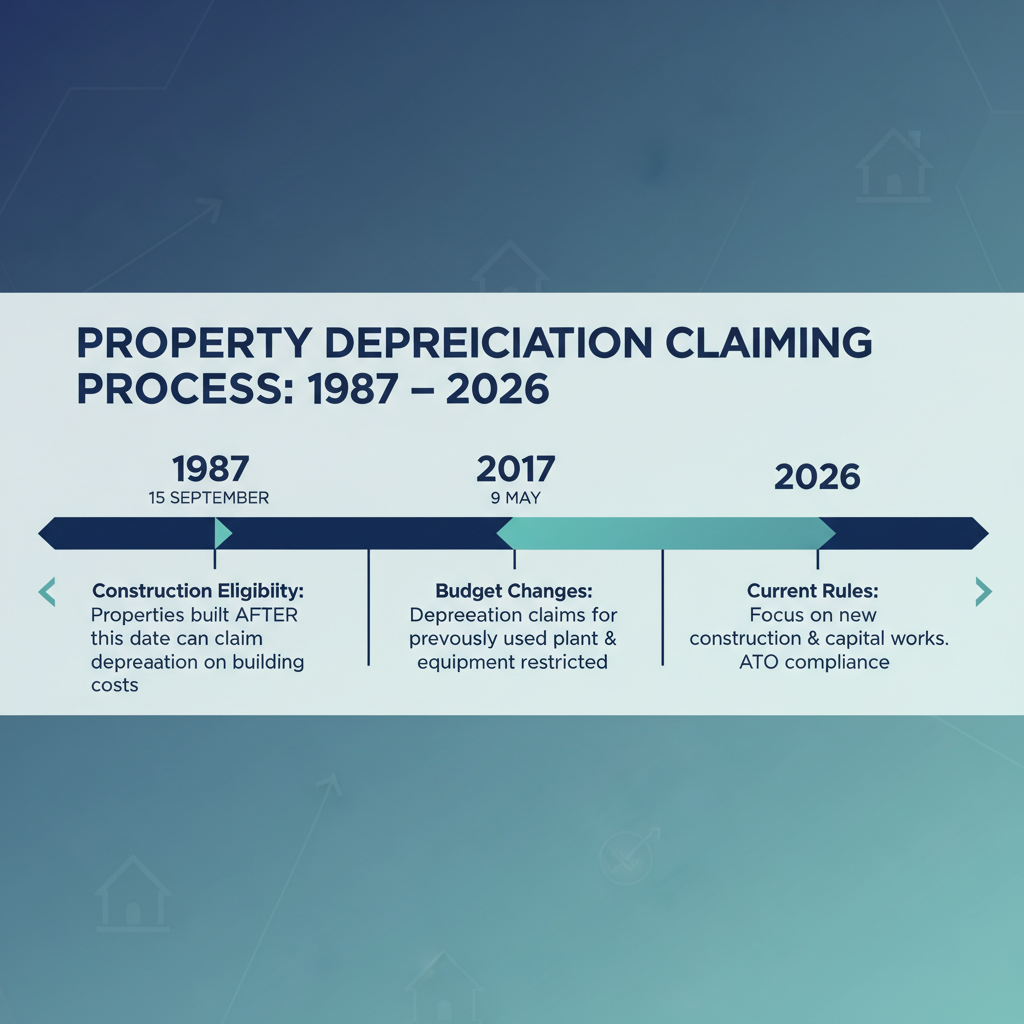
This covers the structural elements of your property—walls, floors, roof, foundations, doors, and permanently fixed items like built-in cupboards. For residential properties where construction commenced after 15 September 1987, you claim 2.5% of the original construction cost per year for up to 40 years.
Division 40: Plant and Equipment Depreciation
This covers removable or mechanical assets inside the property—carpets, blinds, dishwashers, air conditioners, hot water systems, ovens, and ceiling fans. Each asset depreciates over its ATO-determined effective life, ranging from a few years to more than a decade.
How Depreciation Improves Cash Flow
Because depreciation creates a "paper loss" without impacting your wallet, it's particularly valuable for negatively geared investors. Your property might be appreciating in market value while simultaneously generating tax deductions based on wear and tear, giving you the best of both worlds.
According to industry data, residential property investors found an average of over $12,000 in deductions in the first full financial year alone when working with qualified quantity surveyors.
Division 43 Capital Works: The Structural Foundation of Your Claim

Division 43 capital works deductions apply to the "bones" of your investment property—the permanent, structural components that make up the building itself.
What Qualifies Under Division 43?
- Foundation, structural walls, and load-bearing elements
- Roof, gutters, and drainage systems
- Floors, ceilings, and structural staircases
- Permanently attached fixtures like built-in wardrobes
- Structural renovations and extensions completed after 27 February 1992
How Much Can You Claim?
For most residential properties built after 15 September 1987, you claim 2.5% of the original construction cost annually for 40 years.
If the construction cost of your property was $400,000, you can claim $10,000 per year in capital works deductions—$400,000 in total deductions over the property's life.
Important Eligibility Rules
- Properties must have construction commenced after 15 September 1987 (or 18 July 1985 for some commercial properties)
- The deduction is based on construction cost, not purchase price
- Even older properties can qualify if substantial renovations were completed after the eligibility dates
- Only a qualified quantity surveyor can estimate construction costs for ATO compliance
Unlike Division 40 deductions, the 2017 legislative changes did not affect Division 43. Subsequent owners can still claim capital works deductions regardless of when they purchased the property.
Division 40 Plant and Equipment: Maximising Removable Asset Claims
Division 40 plant and equipment depreciation covers the removable fixtures and fittings inside your rental property that have a limited effective life.
Common Division 40 Assets
- Air conditioning units and ducted systems
- Carpets, vinyl flooring, and floor coverings
- Blinds, curtains, and window treatments
- Ovens, cooktops, dishwashers, and rangehoods
- Hot water systems and instantaneous heaters
- Ceiling fans and light fittings
- Smoke alarms and security systems
The 2017 Budget Changes: What Investors Must Know
From 9 May 2017, significant legislative changes altered how Division 40 deductions work for second-hand residential properties.
New properties purchased or constructed:
You can claim depreciation on all plant and equipment assets, whether installed before or after settlement, provided no one has lived in the property before you.
Established properties purchased after 9 May 2017:
You can only claim Division 40 deductions on assets you personally purchase and install. Pre-existing second-hand items like old carpets, air conditioners, or dishwashers are no longer claimable.
Properties purchased before 9 May 2017:
You can continue to claim depreciation on all plant and equipment under the previous rules.
Despite these changes, investors can still claim substantial deductions through capital works and any new assets they install during ownership, such as replacing carpets, upgrading appliances, or installing new air conditioning.
How to Get a Property Depreciation Schedule: The Quantity Surveyor Process

A depreciation schedule is a detailed report prepared by a qualified quantity surveyor that outlines every claimable deduction for your investment property, year by year, for up to 40 years.
Step 1: Engage a Qualified Quantity Surveyor
The ATO specifically requires that only qualified quantity surveyors estimate construction costs for depreciation purposes. Attempting to self-assess or having your accountant guess these values can trigger audits and penalties.
Quantity surveyors hold professional qualifications and are registered with the Tax Practitioners Board (TPB). They're recognised under ATO Tax Ruling 97/25 as one of the few professions with the construction costing expertise required.
Step 2: Property Inspection and Documentation
The quantity surveyor conducts a thorough site inspection, measuring rooms with laser equipment, photographing assets, recording brand and model numbers, and documenting all structural components and renovations.
For new builds, the surveyor may work from construction contracts, architectural plans, and schedules of finishes if a physical inspection isn't required.
Step 3: Receive Your Depreciation Schedule
Within approximately 5 business days, you receive a comprehensive report separating Division 43 capital works from Division 40 plant and equipment. The schedule provides annual deduction amounts for each financial year, often spanning 40 years.
Your accountant uses this schedule each year at tax time to claim the correct deductions in your annual return, reducing your taxable income and improving cash flow.
What Does a Depreciation Schedule Cost?
A professionally prepared depreciation schedule typically costs between $385 and $770 depending on property type, location, and complexity.
This one-time fee is 100% tax-deductible and usually pays for itself in the first year. According to recent data, a typical schedule generates $5,000 to $15,000 in first-year deductions, delivering 10x return on investment or more.
Most reputable quantity surveyors offer guarantees—if they don't find double their fee in deductions in the first full financial year, the report is free.
How Depreciation Interacts with Capital Gains Tax
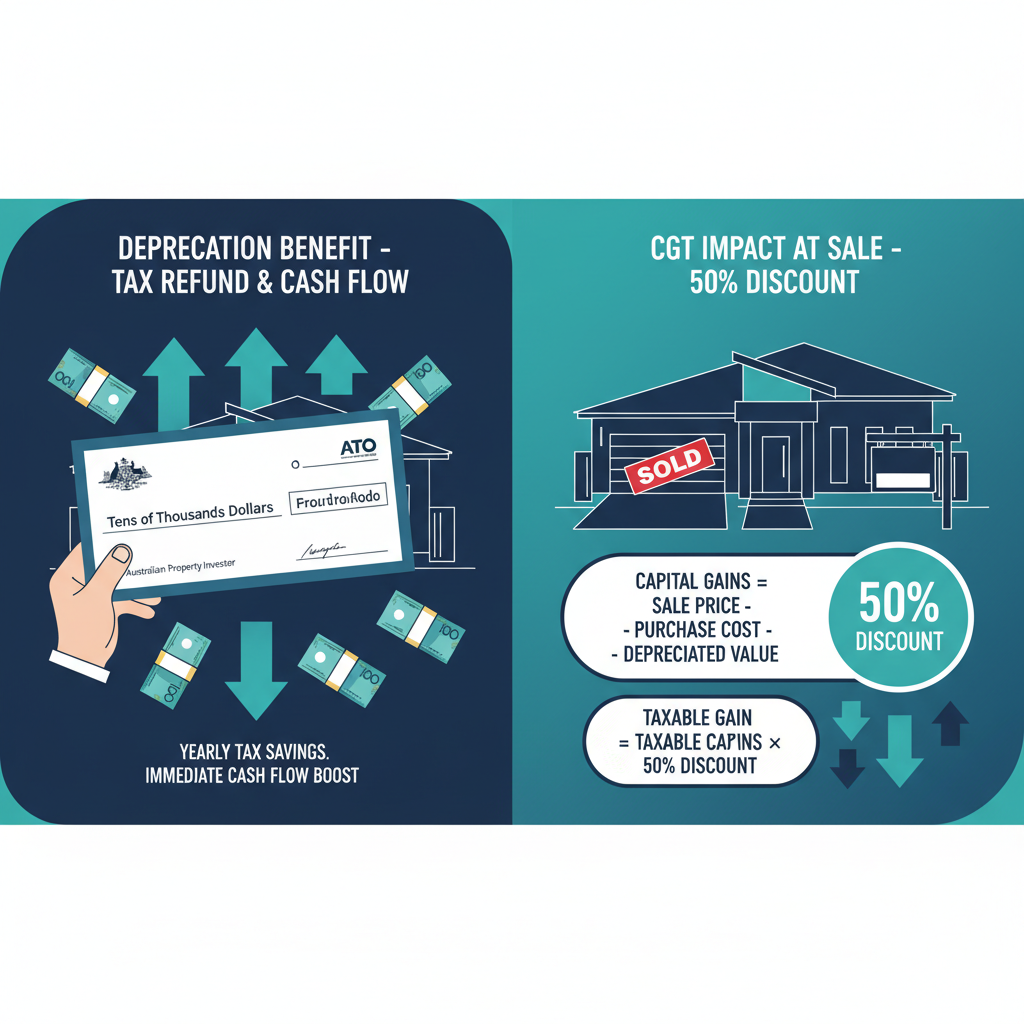
One common concern investors raise is how depreciation affects capital gains tax (CGT) when selling the property.
Division 43 and Your Cost Base
Capital works deductions claimed under Division 43 reduce your property's cost base, which increases the gross capital gain when you sell.
However, the tax benefit received during ownership typically far outweighs the additional CGT liability at sale, especially when the 50% CGT discount applies for properties held over 12 months.
For example, if you claimed $85,000 in Division 43 deductions over 10 years and received $38,250 in tax refunds (at a 45% marginal rate), but faced an additional $19,125 in CGT at sale (after the 50% discount), your net benefit is still $19,125 plus the time value of money.
Division 40 and Balancing Adjustments
Division 40 plant and equipment deductions are governed by separate balancing adjustment rules and don't directly reduce your CGT cost base in the same way.
Always consult your accountant before selling to confirm your specific CGT position based on your entity structure, holding period, and capital improvements.
Maximising Your Property Depreciation Claims: Practical Strategies
Even if you've owned your investment property for several years, it's not too late to benefit from depreciation.
Backdating Your Depreciation Claims
The ATO allows you to amend up to two previous tax returns to claim missed depreciation deductions. This means you can retrospectively recover thousands in unclaimed deductions even if you didn't obtain a schedule at purchase.
Claiming Depreciation on Renovations
If you've completed structural renovations or capital improvements, you can claim Division 43 deductions on the renovation costs at 2.5% per year. You can also claim Division 40 deductions on any new items you install, such as new carpets, appliances, or air conditioning.
Keep detailed records of all renovation invoices and receipts. A quantity surveyor can prepare an updated schedule incorporating these costs alongside the original building depreciation.
Avoid Common Mistakes That Trigger ATO Audits
- Never attempt to estimate construction costs yourself or rely on generic industry averages
- Don't claim depreciation on second-hand plant and equipment in properties purchased after 9 May 2017 unless you installed them
- Ensure your quantity surveyor is TPB-registered and provides ATO-compliant reports
- Keep your depreciation schedule and all supporting records for at least five years
The ATO is deploying advanced data-matching technology in 2026 to identify fraudulent depreciation claims. Ensuring your schedule is bulletproof protects you from audits and penalties.
How Buyers Agency Australia Helps Investors Identify High-Depreciation Properties
When evaluating potential investment properties, depreciation potential should form part of your pre-purchase due diligence—not an afterthought.
Buyers Agency Australia works with investors to identify properties that maximise both capital growth potential and tax efficiency. Properties constructed after 1987, newer builds with substantial plant and equipment, or properties with recent high-quality renovations can deliver significantly higher depreciation benefits.
By incorporating 10-year portfolio modeling and transparent, fixed-fee structures, Buyers Agency Australia ensures investors understand the complete tax and cash flow implications before committing to a purchase. Whether you're a first-home buyer navigating the complexities of negative gearing or a time-poor professional building a multi-property portfolio, expert guidance ensures you're not leaving thousands of dollars on the table each year.
To explore how property depreciation fits into your investment strategy, book a free strategy session with the team.
Frequently Asked Questions
Can I claim depreciation on a property built before 1987?
You can claim Division 43 if substantial renovations occurred after 1987. Division 40 may apply to new items you install.
Do I need a quantity surveyor for depreciation?
Yes. The ATO requires qualified quantity surveyors to estimate construction costs and prepare compliant depreciation schedules.
Is the depreciation schedule cost tax-deductible?
Yes. The full cost of obtaining a depreciation schedule is 100% tax-deductible in the year you pay for it.
Can I claim depreciation on holiday homes?
Only when the property is genuinely available for rent. Days used for personal purposes must be apportioned and excluded from deduction claims.
What happens if I don't claim depreciation?
The ATO still counts it as if you did for CGT purposes, meaning you could pay recapture tax without ever benefiting from the deduction.
Final Thoughts: Depreciation Is the Second-Largest Deduction After Interest
Property depreciation Australia strategies represent the second-largest tax deduction available to investors, trailing only behind loan interest.
Yet thousands of investors either under-claim or miss it entirely, leaving tens of thousands of dollars in unclaimed deductions on the table over the life of their property.
By understanding Division 43 capital works and Division 40 plant and equipment deductions, engaging a qualified quantity surveyor, and maintaining ATO-compliant records, you transform your investment property from a simple asset into a high-performing, tax-efficient wealth-building tool.
Whether you're purchasing your first investment property or managing an established portfolio, professional depreciation advice ensures you claim every dollar you're entitled to while staying compliant with current ATO rules.
Contact Buyers Agency Australia to discuss how depreciation fits into your long-term property investment strategy, or attend a FastTrack event to learn more about data-driven investment approaches that prioritise tax efficiency and capital growth.
 General
Property depreciation Australia guide: learn how Division 40 and 43 deductions work, what investors can claim, quantity surveyor...
Choosing the wrong property mentor can cost Australian investors between $50,000 and $100,000 (or more) in poor purchases, missed opportunities, and commissions hidden in the fine print. Yet most first-time buyers and investors don't realise they're being steered towards new builds, off-the-plan apartments, or overpriced estates until it's far too late.
You've seen the ads: free seminars, downloadable guides, promises of passive income and portfolio growth. What they don't tell you is how they get paid. If a property mentor receives developer commissions, you're not getting unbiased advice – you're being sold inventory. This guide shows you how to spot the red flags, what to look for in a credible advisor, and how to protect your wealth from the outset.
Why Most People Choose the Wrong Property Mentor

The property mentorship industry in Australia is largely unregulated. Anyone can call themselves a property strategist, portfolio coach, or investment mentor without holding a licence, demonstrating a track record, or adhering to fiduciary duty.
Here's why so many investors get it wrong:
They Fall for Hype Over Credentials
Free webinars and Instagram success stories create emotional urgency. You're told that now is the best time to buy, that opportunities are vanishing, and that they'll personally guide you to financial freedom.
But hype is not evidence. A credible property mentor should demonstrate real case studies, verifiable results, and transparency around how they're compensated.
They Don't Understand How Mentors Get Paid
This is the single biggest blind spot. Many so-called mentors earn referral commissions from developers, project marketers, and off-the-plan sales agents. According to a 2025 report, "properties sold this way are often priced well above their worth."
If your mentor is getting paid by the seller, they're not working for you. They're working for the developer.
They Confuse Education with Advocacy
Property education programs can be valuable, but they're not the same as having a licensed professional represent you in a transaction. Mentorship fees in Australia range from $3,000 to $10,000, yet many programs offer no ongoing support, no deal vetting, and no accountability once you've signed up.
Red Flags to Watch For

Developer Commissions and Kickbacks
If a mentor recommends only new builds, house-and-land packages, or off-the-plan apartments, ask how they’re compensated. Legitimate buyer’s advocates work on a fixed fee or a fee paid by you, not the developer.
Commission-driven mentors have a conflict of interest. Their income depends on you buying what they recommend, not what’s best for your portfolio.
No Proven Track Record
Anyone can create a polished website. Look for:
- How many years they've been operating
- Client testimonials with verifiable details
- Licences held (buyers agent licences are state-specific in Australia)
- Membership in industry bodies like REBAA
Fake Case Studies and Unrealistic Promises
Be wary of mentors who promise guaranteed returns, rapid portfolio growth, or "secret" suburbs about to boom. Real property investment involves risk, market cycles, and nuanced decision-making.
If it sounds too good to be true, it probably is.
Pressure Tactics and Urgency
Legitimate advisors respect your timeline. If you're being rushed into a decision, told that "this deal won't last," or pressured to sign contracts on the spot, walk away.
What to Look For in a Property Mentor
Buyer-Only, No Developer Ties
The gold standard is a licensed buyer's advocate who works exclusively for purchasers. They have no financial relationship with developers, sellers, or project marketers.
Buyers Agency Australia operates on a transparent, fixed-fee model. Every property is assessed against 10-year portfolio modelling, not commission potential.
Strategy Before Properties
A credible mentor starts with your goals, borrowing capacity, risk tolerance, and time horizon. Only then do they recommend locations, property types, or investment strategies.
This is the opposite of the funnel model, where you're funnelled into pre-selected stock.
Real Results, Real Accountability
Ask for case studies. How many clients have they worked with? What suburbs did they buy in? What have returns looked like over 3, 5, and 10 years?
Buyers Agency Australia's clients have access to portfolio reviews, market updates, and long-term tracking – because wealth creation doesn't stop at settlement.
Long-Term Focus, Not Quick Flips
Australian property is a long-term asset class. Mentors who focus on renovation flips, quick equity plays, or speculative regional towns may not align with sustainable wealth strategies.
Look for advisors who emphasise capital growth fundamentals, rental yield stability, and portfolio diversification.
How Buyers Agency Australia Does It Differently
Dragan Dimovski and the team at Buyers Agency Australia have built a national reputation on transparency, data, and results.
Here's how they stand apart:
Fixed-Fee, Buyer-Only Model
No developer commissions. No kickbacks. You pay a transparent fee, and every recommendation is made in your interest.
10-Year Portfolio Modelling
Every property is stress-tested against long-term growth scenarios, rental demand, infrastructure pipelines, and economic fundamentals. You don't buy on gut feel – you buy on data.
National Coverage, Local Expertise
Whether you're targeting Brisbane's inner-ring growth corridors, Perth's undersupplied northern suburbs, or Sydney's blue-chip established markets, Buyers Agency Australia has boots on the ground.
End-to-End Support
From strategy to settlement, you're never left guessing. Property search, due diligence, negotiation, and handover are all managed with military precision.
Watch This Before You Choose a Property Mentor
Dragan Dimovski and Amanda Calabria recently sat down to discuss the most common traps investors fall into when choosing a mentor.
Watch the full discussion here to understand:
The Cost of Getting It Wrong
Let's put numbers to it. If you overpay by 10% on a $500,000 property because your mentor steered you to an off-the-plan development with inflated pricing, you've lost $50,000 in equity from day one.
Add poor rental yield, high body corporate fees, and limited capital growth, and the true cost over 10 years can exceed $100,000 in lost wealth.
That's the price of choosing the wrong advisor.
Frequently Asked Questions
What's the difference between a property mentor and a buyer's agent?
A property mentor typically provides education and general guidance, while a licensed buyer's agent legally represents you in property transactions and searches.
How much do property mentors cost in Australia?
Mentorship programs range from $3,000 to $10,000. Buyer's agent fees are typically 1.5–2.5% of purchase price or a fixed fee.
Are property mentors regulated in Australia?
No. Property mentors are not licensed or regulated. Buyer's agents, however, must hold state-issued licences and adhere to consumer protection laws.
How do I know if a mentor receives developer commissions?
Ask directly: "Do you receive any commission, referral fee, or incentive from developers or sellers?" A transparent advisor will answer clearly.
Can I trust free property seminars?
Free seminars are often sales funnels for off-the-plan stock or paid mentorship programs. Attend with caution and never commit on the spot.
Final Thoughts
Choosing the right property mentor is one of the most important decisions you'll make as an investor. Get it wrong, and you'll pay for it – not just in fees, but in lost opportunity, poor assets, and portfolio drag.
Get it right, and you'll have a trusted advisor who protects your capital, accelerates your timeline, and builds genuine, lasting wealth.
Buyers Agency Australia is built on transparency, results, and the belief that your success is the only metric that matters. If you're ready to work with a team that puts your interests first, book your free strategy session today.
 General
Learn how to choose a property mentor who has your best interests at heart. Discover red flags, what...
If you're searching for property in 2026 and feeling overwhelmed by price pressure and shrinking options, you're not alone. Dual-occupancy and multi-generational homes are dominating buyer searches, delivering higher rental income, family flexibility, and smarter risk mitigation in a market squeezed by affordability constraints and rising rates.
Why Dual Occupancy Properties Are Dominating Buyer Searches in 2026

Australian property buyers and investors are changing their search criteria fast. Properties that allow granny flats, duplexes, or separate studios are no longer niche plays. They're becoming the default for anyone serious about building long-term wealth or accommodating extended family without sacrificing privacy.
The shift isn't cosmetic. According to LJ Hooker's 2026 market outlook, "townhouses, dual occupancy dwellings and mid-rise apartments" are surging in popularity as affordability pressures push buyers to chase value over postcodes. This structural change is reshaping how Australians think about property ownership, investment strategy, and family living arrangements.
Buyers Agency Australia has observed this trend accelerate across every capital city in the last 18 months. Clients who previously targeted traditional single-dwelling homes are now explicitly requesting dual-income potential or multi-generational floor plans as non-negotiable criteria.
Higher Rental Income Without Multiplying Your Holdings
The appeal is straightforward. A well-executed dual-occupancy property delivers two rental income streams from one land parcel. That means one set of council rates, one mortgage, and double the cash flow compared to a standard house.
According to recent data from granny flat specialists, Sydney granny flats rent for $600 to $800 per week, generating $31,200 to $41,600 annually. In Melbourne, yields above 10% are achievable with the right design and location. Perth granny flats typically command $400 to $600+ weekly, with yields around 4 to 5%.
For property investors, the math is compelling. You're increasing rental yield without the complexity of managing two separate properties in different suburbs. The main residence and secondary dwelling share infrastructure, reducing per-unit holding costs while maximising land utilisation.
Risk Mitigation When One Tenant Leaves
One of the most underrated advantages of dual occupancy properties is vacancy risk mitigation. If one tenant vacates, you still collect rent from the other dwelling. In a high-rate environment where cash flow matters more than ever, that buffer can be the difference between holding comfortably and selling under pressure.
Traditional single-dwelling investors face a binary outcome: full rent or zero rent. Dual-occupancy owners have built-in resilience, maintaining at least 50% income during tenant transitions.
Multi Generational Homes Are Now Mainstream, Not Niche

Multi-generational living has shifted from cultural exception to economic necessity across Australia. One in five Australians now live in multi-generational households, according to UNSW's City Futures Research Centre. ABS data shows households containing three generations increased 22% between 2016 and 2021, from 275,000 to 335,000.
What's driving this surge? Three forces are converging.
Affordability Pressure Is Forcing Families Back Together
Median house prices across Australia's capital cities have risen more than four times faster than wages since the mid-1980s. First-home buyers priced out of their preferred suburbs are increasingly choosing to live with parents while building equity elsewhere or pooling resources to purchase larger homes that accommodate multiple generations.
Two-thirds of older Australians face housing stress, and adult children are staying home longer or returning after relationship breakdowns or job changes. The rental crisis has created what researchers describe as an unexpected silver lining: families rediscovering the benefits of shared resources and intergenerational support.
Multi Gen Living Delivers Financial and Emotional Benefits
Beyond cost-sharing, multi-generational households offer practical advantages that resonate in 2026. Grandparents provide childcare, reducing or eliminating daycare expenses. Adult children assist with elderly care, delaying or avoiding institutional aged care costs. Shared living reduces isolation for seniors and provides built-in support networks for working parents.
Research from the Netherlands found grandparents who care for grandchildren score higher on memory and verbal fluency tests. Multi-generational living isn't just economically rational; it's increasingly recognised as beneficial for mental health and family cohesion.
Developers and Builders Are Responding With Purpose Built Designs
The property industry is adapting. Builders now offer dual-living floor plans under one roof, separate wings with independent entrances, and ground-floor master suites designed for accessibility. McDonald Jones Homes reports increased demand for dual-occupancy homes over the past five years, with clients explicitly requesting features like multiple living spaces, ensuite bedrooms on ground floors, and layouts that support privacy across generations.
Professional design is converting compact yards into dual-income properties. Two-storey granny flats preserve backyard space while delivering $500+ weekly rental income and yields above 13% in some Melbourne suburbs.
Granny Flats and Duplexes: The Property Types Delivering Results
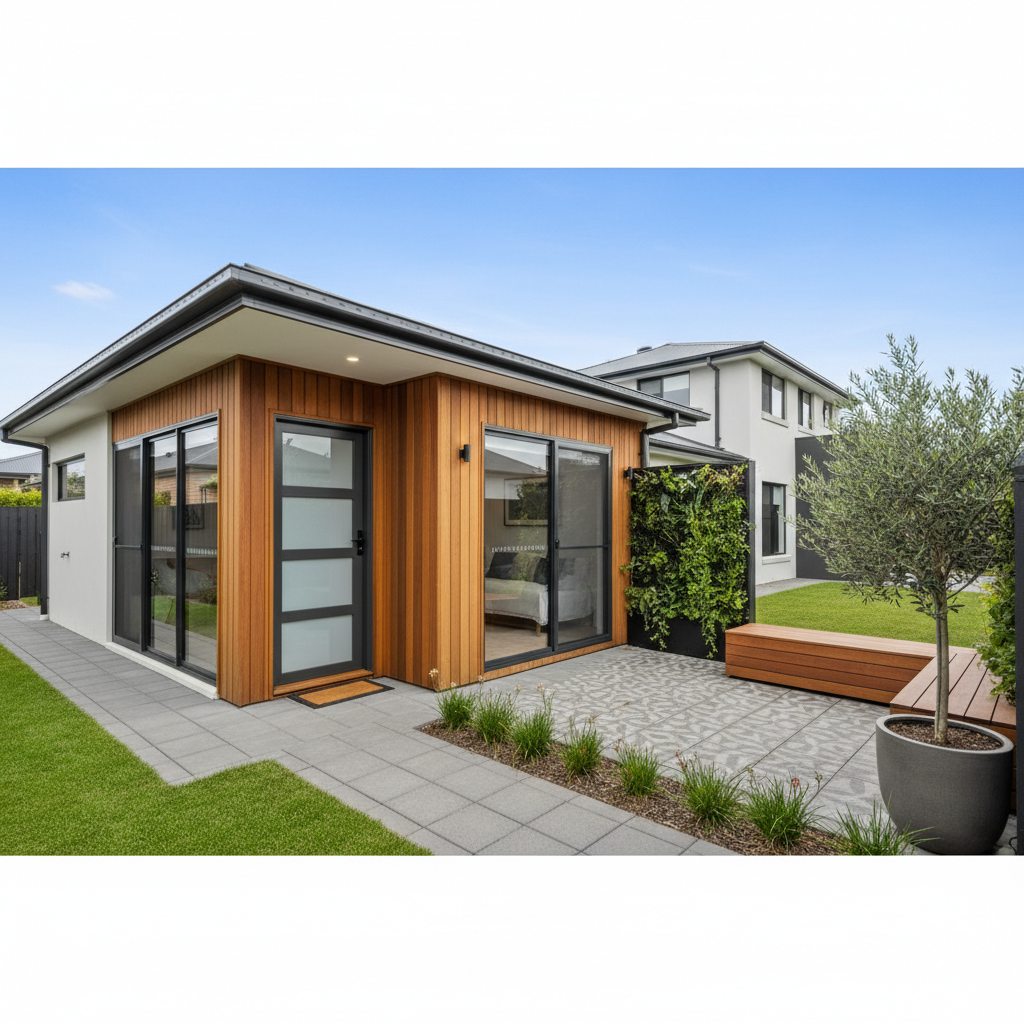
When buyers and investors talk about dual occupancy properties, they're typically referring to three main configurations: granny flats, duplexes, and subdivision-ready land.
Granny Flats Offer the Fastest Path to Dual Income
Granny flats are secondary dwellings built on land you already own. They're self-contained, typically 60 to 100 square metres, and can be rented independently or used for family.
The investment case is strong. A $220,000 granny flat in Melbourne can generate $8,000 to $10,000 in tax deductions during the first year through depreciation. Many owners achieve cash-flow-positive outcomes sooner because there's no land acquisition cost.
Councils across Australia are streamlining approvals. In South Australia, new regulations require minimum green space and tree planting, but the PlanSA Portal has simplified the process. Western Australia's planning reforms are making granny flats easier to approve and rent legally.
The granny flat investment market is gaining attention as a relatively affordable way to increase rental yield and capital value, particularly in land-constrained inner and middle-ring suburbs.
Duplex Properties Combine Scale With Flexibility
Duplexes offer two separate homes on one block, either side-by-side or stacked as double-storey builds. Each side has its own entrance, kitchen, bathrooms, and living areas.
The investment appeal is dual rental income from one land purchase. Compared to buying two separate investment properties, cost savings are significant. You save on land acquisition, share construction costs like foundations and roof structures, and benefit from economies of scale.
Duplex properties also attract long-term tenants. Families and professionals prefer them over apartments because they offer more space, privacy, and often a backyard. When paired with modern design, duplexes hold value and keep tenants happy.
Manufactured equity is another advantage. When a duplex is subdivided and strata-titled, property valuations on completion can exceed the original purchase price. This creates immediate equity uplift without relying solely on market appreciation.
Investors can hold both units for long-term rental income or sell one (or both) individually to realise gains. That flexibility allows rapid adaptation to market opportunities, income diversification, or capital recycling.
Subdivision Potential Properties Unlock Hidden Value
Land with subdivision potential is valued differently than standard residential homes. Buyers look at residual land value: the end value of new allotments minus demolition, civil works, council fees, and selling costs.
In South Australia, the Planning and Design Code governs all land use. Identifying your land's zone and overlay is the first step. Properties in Township Zones or Suburban Neighbourhood Zones may allow subdivision if minimum lot sizes and frontages are met.
Professional appraisals provide a "highest and best use" analysis to see how developers view your land. If your property has subdivision potential, it's worth more to a developer than a standard homeowner.
How Buyers Agency Australia Identifies High Yield Dual Occupancy Opportunities
Finding dual occupancy properties that actually deliver results requires more than suburb research and online listings. It demands boots-on-the-ground market knowledge, council regulation expertise, and financial modelling that accounts for construction costs, rental yields, and long-term growth potential.
Buyers Agency Australia specialises in identifying properties with dual-income potential before they hit the broader market. The team uses a data-driven approach combined with local council knowledge to shortlist properties that meet strict investment criteria.
Council Zoning and Overlay Analysis
Not every property can legally support a granny flat or duplex. Council zoning, overlays, and local planning frameworks determine what's possible. Buyers Agency Australia conducts upfront zoning analysis to eliminate properties with restrictive covenants, heritage overlays, or setback requirements that kill dual-occupancy feasibility.
This due diligence happens before clients waste time or money on unsuitable properties. The result: a curated shortlist of properties where dual-income strategies are achievable, compliant, and financially viable.
10 Year Portfolio Modeling for Multi Gen Investors
Buyers Agency Australia differentiates through long-term portfolio modelling. Rather than chasing short-term yields, the team models how dual occupancy properties fit into 10-year wealth creation strategies.
For multi-generational buyers, this means identifying properties with flexible floor plans that work now and adapt as family needs change. For investors, it means projecting rental income, capital growth, and equity release scenarios across a decade.
This transparent, fixed-fee model ensures advice aligns with client goals, not commission incentives.
Off Market Access to Dual Income Properties
Many of the best dual-occupancy opportunities never reach public listings. Buyers Agency Australia's network includes developers, builders, and private sellers who offer properties with granny flat approval, subdivision potential, or dual-living designs before they're advertised.
This off-market access is particularly valuable in competitive markets where dual-income properties attract multiple offers within days.
Practitioner Tips for Evaluating Dual Occupancy Investment Potential
If you're considering dual occupancy properties as part of your 2026 investment strategy, these practitioner tips will help you avoid expensive mistakes and identify genuine opportunities.
- Always verify council zoning and granny flat eligibility before making an offer; assumptions cost investors tens of thousands in wasted feasibility studies.
- Model rental income conservatively using current comparable rents in the suburb, not optimistic projections; vacancy and maintenance costs erode yields faster than investors expect.
- Factor construction costs accurately, including civil works, service connections, and council fees; granny flat builds typically range $190,000 to $255,000 depending on specifications and location.
- Assess borrowing capacity with your mortgage broker before committing; dual-occupancy projects require sufficient equity and serviceability to fund both land and construction.
- Consider tenant demand in the local area; granny flats near universities, hospitals, or major employment centres deliver strongest returns and lowest vacancy rates.
- Plan for property management of two tenancies; dual-income properties require clear agreements, separate metering, and coordinated maintenance.
- Understand tax implications including depreciation benefits, negative gearing, and CGT treatment; professional tax advice maximises returns and avoids costly errors.
What the Data Says About Dual Occupancy and Multi Gen Demand in 2026
The statistics confirm what buyers and investors are experiencing on the ground. According to Ironbark Group, properties that support multi-generational living are expected to remain in strong demand throughout 2026. As both housing prices and rents rise, more families are choosing to share accommodation to reduce living costs.
LJ Hooker predicts high housing prices and tight rental markets are encouraging more families to live together for longer, increasing demand for multi-generational homes that can comfortably fit parents, adult children, and grandparents.
In 2025, regional dwelling values rose 9.7%, compared to 8.2% across combined capital cities. Western Australia led with 16.1% annual growth, followed by regional Queensland at 12.6%. This growth is partly driven by rentvesting strategies where buyers rent in preferred lifestyle locations while purchasing dual-income properties in more affordable areas.
Reverse occupancy is a growing 2026 trend where buyers live in the smaller dwelling and rent out the main home to cover mortgage costs. This strategy is particularly popular among first-home buyers priced out of traditional ownership models.
The Risks and Realities: What You Need to Know Before Buying
Dual occupancy properties offer compelling advantages, but they're not without risks and complexity. Understanding the challenges upfront helps investors make informed decisions and avoid costly surprises.
Construction Cost Volatility and Budget Blowouts
Granny flat and duplex construction costs have stabilised compared to 2022-2023 volatility, but budget blowouts remain common. Civil costs including SA Water augmentation, open space levies, demolition, and site clearance catch many investors off guard.
Fixed-price contracts and transparent builders are essential. Budget carefully and maintain a contingency buffer of at least 10 to 15%.
Complexity of Dual Tenancy Management
Managing two tenancies on one property requires coordination. Separate metering for utilities, clear boundaries for outdoor spaces, and maintenance protocols are non-negotiable. Property managers experienced with dual-occupancy arrangements save headaches and protect cash flow.
Council Approval Delays and Compliance Costs
Even in streamlined jurisdictions, council approvals can take 6 to 12 months. In complex cases with overlays or non-standard designs, timelines extend further. Delays increase holding costs and push back rental income commencement.
Working with experienced town planners and surveyors accelerates approvals and reduces rejection risk.
Frequently Asked Questions
What is a dual occupancy property in Australia?
A dual occupancy property contains two separate dwellings on one block, such as a house with granny flat, duplex, or dual-key property, each generating independent rental income.
Are granny flats a good investment in 2026?
Yes, granny flats offer strong ROI with rental yields often exceeding 10%, lower entry costs than buying separate properties, and tax benefits through depreciation and negative gearing.
How much does it cost to build a granny flat in Australia?
Granny flat construction costs range from $190,000 to $255,000 depending on size, finishes, and location, with regional areas typically cheaper than Sydney or Melbourne.
Can I subdivide my property to build a duplex?
Subdivision eligibility depends on council zoning, minimum lot sizes, and local planning overlays; professional feasibility assessments determine if your land qualifies for subdivision and dual-occupancy development.
What are the tax benefits of dual occupancy investment properties?
Investors can claim depreciation on buildings and fixtures, deduct rental expenses and interest, and potentially benefit from negative gearing to reduce taxable income and improve overall returns.
Final Thoughts: Why Dual Occupancy Defines Smart Property Investment in 2026
The Australian property market in 2026 rewards strategic thinking over speculation. Dual occupancy properties and multi-generational homes aren't temporary trends; they're structural responses to affordability constraints, demographic shifts, and changing family values.
For investors, the case is clear: higher rental yields, built-in vacancy protection, and capital growth potential from one land holding. For families, dual-occupancy and multi-gen designs offer financial relief, intergenerational support, and lifestyle flexibility that traditional single-dwelling homes can't match.
Buyers Agency Australia's transparent, data-driven approach helps clients navigate this complex market with confidence. Whether you're a first-home buyer exploring multi-gen living or an investor building a high-yield portfolio, understanding dual-occupancy potential is no longer optional.
If you're ready to explore how dual-occupancy properties fit your wealth creation strategy, book a free strategy session with Buyers Agency Australia. The team will model your borrowing capacity, identify suitable properties, and provide transparent advice aligned with your 10-year goals.
For time-poor professionals who need end-to-end support, Buyers Agency Australia's fixed-fee model removes commission conflicts and delivers results. Learn more about the FastTrack approach at events.buyersagencyaustralia.com.au/fasttrack.
 General
Dual-occupancy properties and multi-generational homes are dominating buyer searches in 2026, driven by housing affordability pressures and rental...
Australia's property market has fractured into two distinct tiers in 2026. Perth, Brisbane, and Adelaide suburbs are experiencing double-digit growth driven by affordability and supply shortages, while Sydney and Melbourne face stagnation as affordability ceilings and tighter borrowing conditions constrain demand.
If you're tracking Australia's property market in 2026, one pattern has become impossible to ignore. Some suburbs are posting 12 to 20 per cent annual price gains, attracting fierce competition from buyers willing to drop finance clauses and pay premiums. Meanwhile, other markets have cooled to near-zero growth or modest single-digit rises, despite historically low stock levels.
This split is what economists and property analysts are calling the two-speed property market, and it's reshaping how investors, first-home buyers, and upgraders approach property decisions. Understanding what separates the winners from the underperformers is critical for anyone serious about building wealth through real estate.
Buyers Agency Australia helps clients navigate this complexity by using data-driven suburb selection, 10-year portfolio modelling, and off-market access to identify high-growth locations before the crowd catches on.
What the Two-Speed Property Market Actually Means

Defining the Two-Speed Divide
The two-speed property market describes a clear divergence in performance across Australian capital cities and regions. According to Cotality data released in March 2026, Perth recorded dwelling value growth of 2.3 per cent in February alone, lifting its median to $989,211 and delivering 22 per cent annual growth. Brisbane followed with 1.6 per cent monthly and 17.3 per cent annual gains, reaching a median of $1,080,538. Adelaide posted 1.3 per cent monthly and 10.9 per cent annual growth.
By contrast, Sydney and Melbourne values flatlined in February, recording no growth and falling -0.1 per cent and -0.4 per cent respectively over the three months to February. This represents the starkest capital city divergence in recent years.
Within-City Price Segmentation
The two-speed dynamic also exists within individual cities. Across most markets, properties priced under $1 million are seeing stronger demand and faster price growth than higher-priced stock. This reflects tighter credit conditions, serviceability buffers, and the concentration of first-home buyers and mainstream investors competing at the affordable end.
In practical terms, homes typically worth under $1 million are outperforming homes worth more than $1 million, creating a price ceiling effect in premium suburbs.
Why This Matters for Investors
For investors, the two-speed market means that location selection has never been more critical. Choosing the wrong suburb or price segment can result in years of underperformance, while strategic acquisition in supply-constrained, affordability-driven markets can deliver outsized returns.
Buyers Agency Australia specialises in identifying A-grade assets in these high-momentum corridors, using transparent fixed-fee structures and evidence-based selection criteria.
The Five Forces Driving the Two-Speed Property Market in 2026
1. Affordability and Borrowing Power Constraints
Affordability is the single most decisive factor separating high-growth from stagnant markets. Sydney's median dwelling value now sits at approximately $1.3 million, while Melbourne is around $826,000. Both cities face severe affordability constraints, with mortgage repayments absorbing more than 50 per cent of household income in Adelaide and similar pressures evident in Sydney.
By contrast, Perth remains relatively affordable despite strong recent gains, with buyers still able to secure entry-level properties under $850,000. Brisbane and Adelaide offer similar accessibility, particularly in outer growth corridors.
Tighter serviceability buffers and debt-to-income lending limits introduced in 2025 have further constrained borrowing capacity at the upper end, creating a natural ceiling on growth in premium suburbs.
2. Housing Supply Shortages and Listing Volumes
Low inventory is the decisive driver in outperforming markets, according to API Magazine analysis from March 2026. Perth, Brisbane, and Adelaide all face chronic supply shortages, with listing volumes sitting 16 to 30 per cent below five-year averages.
Western Australia completed the lowest share of new dwellings (nine per cent) relative to population growth (17 per cent) since the pandemic, creating a severe supply-demand imbalance. Queensland accounted for more than a quarter of Australia's population growth but less than one-fifth of new dwelling supply.
By contrast, Victoria has built new homes at a faster rate than other states, resulting in prices growing at a much slower pace than the national average.
3. Migration Patterns: Interstate and Overseas Flows
Migration trends are reshaping demand distribution across Australia. As of 1 January 2026, there were 2.98 million temporary visa holders in Australia, the highest number on record. Australia's population grew by 423,600 people in the year to September 2025, driven primarily by net overseas migration of 311,000.
Sydney and Melbourne receive the most overseas migrants, but Perth, Brisbane, and Adelaide are seeing strong interstate migration as people seek affordability and lifestyle benefits. Queensland saw the biggest influx of internal migrants, with more than 45,000 people moving to the state in 2025 alone.
New arrivals typically rent first, adding immediate pressure to rental markets and driving investor demand in high-yield, affordable suburbs.
4. Infrastructure Investment and Employment Growth
Infrastructure spending is a proven driver of long-term capital growth. Perth benefits from mining-related employment and infrastructure projects, including the Ship Lift Facility and ongoing defence industry investment. Brisbane is supported by major transport upgrades, employment hubs, and preparation for the 2032 Olympics.
Sydney Metro West, Western Sydney Airport, and the broader Aerotropolis development are creating pockets of opportunity in Sydney's outer west, though broader affordability pressures are limiting growth across the wider metro area.
Infrastructure-linked suburbs consistently outperform, as transport accessibility, job creation, and amenity improvements enhance liveability and buyer appeal.
5. Investor Demand and Rental Market Tightness
Investor lending is up 31.8 per cent year-on-year, according to data from early 2026. Rental markets remain exceptionally tight, with national vacancy rates sitting around 1.2 per cent and rents rising 5.5 per cent annually.
Cotality's national Rental Value Index rose 0.7 per cent in February 2026, with rents up 1.7 per cent over the three months to February, the strongest quarterly lift since April 2025. Darwin leads rental growth at 8.6 per cent annually, while Perth, Brisbane, and Adelaide all post above-average rental yield and low vacancy.
This combination of rising rents, low vacancy, and strong investor activity is driving parallel streams of demand: investors chasing rising rents and yields, and renters trying to escape escalating lease costs.
Which Suburbs Are Booming and Why
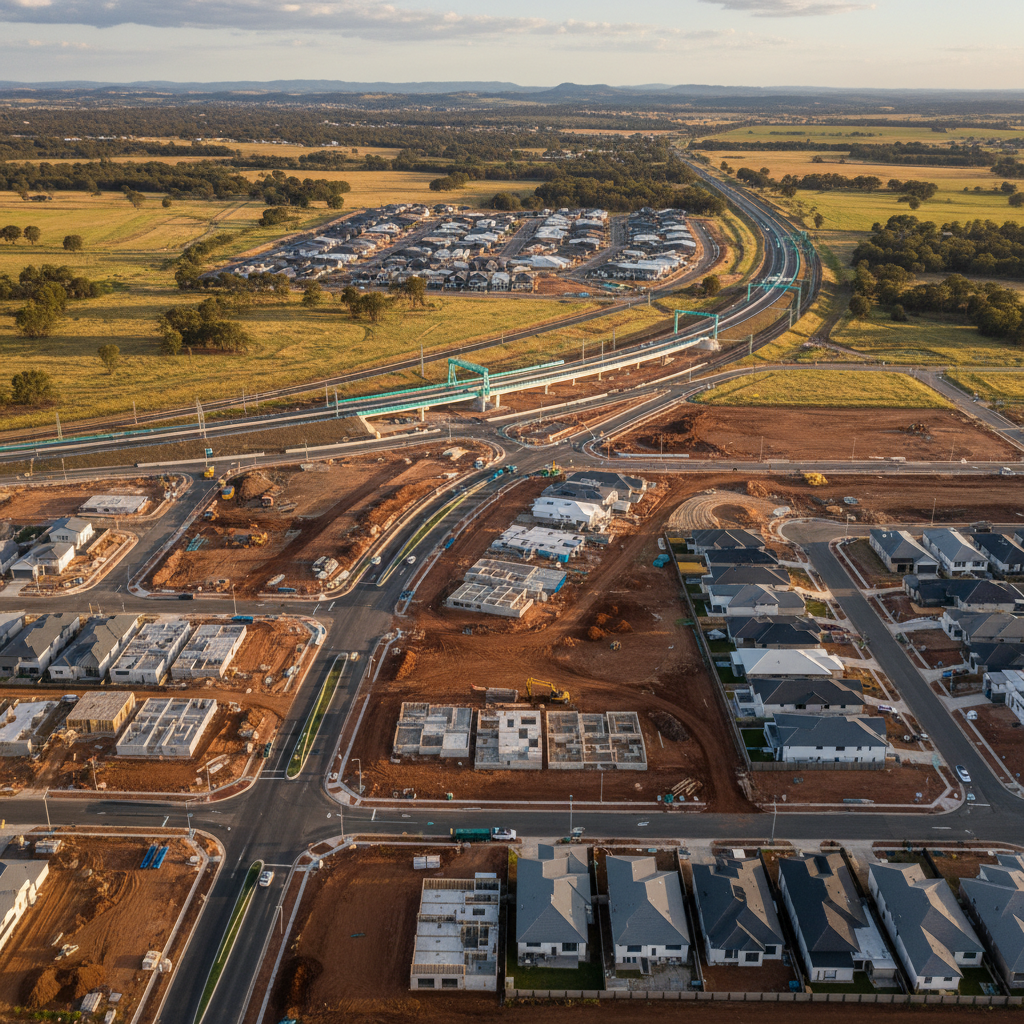
Perth: The National Growth Leader
Perth posted the standout February 2026 gain of 2.3 per cent, lifting its median to $989,211 and delivering 22 per cent annual growth, the highest of any capital. Property values have surged 98.3 per cent since 2021, with the median house price exceeding $1 million for the first time in early 2026.
Key drivers include:
- Strong interstate and overseas migration
- Chronic housing supply shortage
- Mining and defence-related employment
- Relative affordability compared to eastern states
Suburbs like Kalbarri, Mandogalup, and Morley recorded annual growth above 30 per cent in 2025. Nollamara, Rockingham, and Baldivis continue to attract strong buyer demand in 2026.
Brisbane and South-East Queensland
Brisbane recorded 1.6 per cent monthly and 17.3 per cent annual growth to February 2026, with a median dwelling value of $1,080,538. Greater Flagstone, Hillcrest, and Goodna have emerged as high-growth, high-yield suburbs.
The Brisbane market benefits from:
- Strong population growth from interstate migration
- Infrastructure spending including transport upgrades
- Preparation for the 2032 Olympics
- Affordability relative to Sydney and Melbourne
Gold Coast and Sunshine Coast property prices are forecast to grow 7 to 15 per cent in 2026, driven by lifestyle migration and rental demand.
Adelaide's Supply-Constrained Boom
Adelaide added 1.3 per cent monthly and 10.9 per cent annual growth, reaching a median of $922,991. Ultra-low vacancy rates (often 0.4 per cent) and strong rental yields make Adelaide attractive to investors.
Davoren Park recorded approximately 28 per cent house price growth in 2024, with neighbouring suburbs posting similar gains.
Affordability pressures are beginning to emerge, which may moderate growth in 2027, but supply constraints continue to support prices in 2026.
Which Markets Are Stalling and Why
Sydney: Affordability Ceiling and Tightening Credit
Sydney's median dwelling value sits at approximately $1.3 million, with affordability acting as a handbrake on growth. Sydney values flatlined in February 2026, recording no growth and falling -0.1 per cent over the three months to February.
Higher-priced coastal and inner-city suburbs have recorded slower performance or slight declines. Properties in these areas often exceed the $2 million mark, where affordability remains a key barrier.
However, outer and mid-ring suburbs, particularly in Western Sydney, continue to perform well. Suburbs like Austral, Leppington, Bankstown, and Parramatta benefit from infrastructure investment, affordability, and strong buyer competition.
Melbourne: Slow Recovery After Flat Cycle
Melbourne values flatlined in February 2026, recording -0.4 per cent over the three months to February. The city is emerging from a 12-year flat cycle in real terms, with median house prices growing at below-average pace since 2017.
Victoria's stronger housing supply delivery relative to other states has moderated price growth. However, 196 Victorian suburbs are now in early-stage recovery, more than every other state combined, according to HtAG Analytics data from February 2026.
Suburbs like Warranwood, Warrandyte, Bentleigh East, and Mornington are entering recovery phase, offering potential entry points for capital growth investors.
Canberra and Hobart: Moderate Performers
Canberra and Hobart are forecast to record modest growth in the 4 to 7 per cent range in 2026. Both markets benefit from stable employment and limited supply, but lack the population growth momentum of Perth, Brisbane, and Adelaide.
What Investors Should Look for When Choosing Where to Buy
Supply Constraints Relative to Population Growth
The strongest predictor of near-term price growth is the supply-demand imbalance. Investors should assess:
- Listing volumes relative to five-year averages
- Dwelling completions relative to population growth
- Days on market and vendor discounting trends
Markets with severe supply shortages and strong population inflows consistently outperform.
Migration and Employment Fundamentals
Internal and overseas migration patterns signal future demand. Suburbs attracting younger, migrant-led households typically see sustained buyer and renter demand.
Employment diversity, infrastructure investment, and local economic stability underpin long-term performance.
Affordability and Price Ceiling Analysis
Affordability determines how much upward price momentum a market can sustain. Investors should assess:
- Median price relative to household income
- Borrowing power constraints at current interest rates
- Price segmentation within the market (sub-$1 million vs premium)
Markets approaching affordability ceilings are at higher risk of deceleration.
Rental Yield and Vacancy Rates
Tight rental markets with low vacancy and rising rents offer reliable income streams and capital growth support. Gross rental yields above 4 per cent, combined with vacancy below 2 per cent, signal strong tenant demand.
Infrastructure and Amenity Upgrades
Proximity to new transport links, employment hubs, schools, and retail precincts enhances liveability and buyer appeal. Suburbs benefiting from major infrastructure projects consistently deliver above-average returns.
How Buyers Agency Australia Identifies High-Growth Investment Locations

Transparent, Data-Driven Suburb Selection
Buyers Agency Australia was founded by Dragan Dimovski to bridge the gap between expensive corporate agencies and impersonal data firms. The approach is transparent, results-oriented, and built on 20+ years of real-world investing experience.
Every property is assessed using 10-year portfolio modelling to ensure it meets cash flow, capital growth, and risk-adjusted return targets. This long-term focus ensures clients avoid short-term FOMO and build sustainable wealth.
Fixed-Fee Model and Off-Market Access
Unlike commission-based agents, Buyers Agency Australia operates on a transparent fixed-fee model, aligning incentives with client outcomes. The team has access to off-market opportunities in supply-constrained suburbs, allowing clients to secure A-grade assets before they hit the public market.
National Coverage Across All Major Capitals
With a presence across all major Australian capital cities, Buyers Agency Australia helps clients identify high-growth suburbs in Perth, Brisbane, Adelaide, and emerging pockets in Sydney and Melbourne.
Whether you're a first-home buyer overwhelmed by auctions, a time-poor professional, or a portfolio builder scaling from one to five properties, Buyers Agency Australia provides end-to-end acquisition support tailored to your goals.
Book a free strategy session to discuss your property investment goals and discover which suburbs offer the best risk-adjusted returns in 2026.
Frequently Asked Questions
What is the two-speed property market?
The two-speed property market describes the divergence between high-growth capitals like Perth, Brisbane, and Adelaide and slower-growth markets like Sydney and Melbourne, driven by affordability, supply, and migration patterns.
Which Australian suburbs are booming in 2026?
Perth, Brisbane, and Adelaide suburbs are experiencing the strongest growth, with outer Perth suburbs, South-East Queensland corridors, and Adelaide fringe areas posting double-digit gains.
Why is Sydney's property market stalling?
Sydney faces severe affordability constraints, with median dwelling values around $1.3 million and tighter credit conditions limiting borrowing power, particularly for premium properties.
Are Melbourne property prices expected to recover?
Yes. Melbourne is emerging from a flat cycle, with 196 suburbs entering early-stage recovery phase, more than any other state, according to HtAG Analytics data from February 2026.
What should property investors look for in 2026?
Investors should prioritise supply-constrained suburbs with strong migration inflows, infrastructure investment, affordability, low vacancy, and high rental yields to maximise capital growth and cash flow returns.
Final Takeaways: Navigating the Two-Speed Market with Confidence
The two-speed property market of 2026 rewards strategic, evidence-based decision-making. Affordability, supply constraints, migration patterns, infrastructure investment, and rental market tightness are the five forces separating high-growth suburbs from underperformers.
Perth, Brisbane, and Adelaide continue to lead national growth, driven by severe supply shortages and strong population inflows. Sydney and Melbourne face affordability ceilings and tighter credit conditions, though pockets of opportunity exist in outer growth corridors and early-stage recovery suburbs.
For investors, the greatest risk is not the market itself but choosing the wrong assets. A-grade properties in supply-constrained, high-demand locations will outperform dramatically, while B- and C-grade properties risk underperformance as the market moderates.
Buyers Agency Australia helps clients cut through the noise, using transparent fixed-fee structures, 10-year portfolio modelling, and off-market access to secure investment-grade properties before the crowd catches on.
Contact Buyers Agency Australia today to discuss how we can help you navigate the two-speed property market and build long-term wealth through strategic property investment.
 General
Australia's property market has clearly split into high-growth and stagnant zones shaped by affordability, infrastructure, migration trends, and...
If you're building a property portfolio in 2026, the Federal Government is reviewing two major tax policies that have underpinned Australian property investment for decades: negative gearing and the capital gains tax discount. Treasury is modelling targeted reforms ahead of the May budget, including a two-property cap on negative gearing deductions and a reduction in the CGT discount from 50% to 33%. While no final decision has been made, investors need to understand what's being proposed, why these changes matter, and how to prepare strategically for the uncertainty ahead.
We've all been there. You've worked hard to build an investment portfolio, navigated rising interest rates, and played by the rules. Now the rules might be changing.
With Treasurer Jim Chalmers confirming that Treasury is modelling reforms to negative gearing and capital gains tax ahead of the May 2026 budget, property investors across Australia are asking the same question: what does this mean for me?
Here's the thing. Nothing has been legislated yet. But the Senate Select Committee delivered its final report in March 2026, the Parliamentary Budget Office released detailed modelling, and Treasury is actively preparing options for the Federal Budget. The conversation has moved from academic theory to kitchen-table reality for over 2.2 million property investors nationwide.
Whether you're an experienced investor with multiple properties or you're planning your first purchase with Buyers Agency Australia, understanding these proposed changes is critical to making informed decisions in the months ahead.
What Negative Gearing Actually Is
Negative gearing occurs when the cost of owning an investment property exceeds the rental income it generates. The shortfall can be deducted against your other income, including your salary, reducing your overall tax liability.
If you earn $120,000 and your rental property runs at a $15,000 annual loss, you're taxed as though you earned $105,000. At the 37% marginal rate, that saves you $5,550 in tax. The property still costs you money each year, but less than it would without the deduction.
According to ATO data, 1.12 million investors recorded a net rental loss in 2022-23, up from 41.9% to 49.4% of all investors. This jump was driven largely by interest rate increases pushing holding costs above rental income.
Why It Matters for Investors
Negative gearing isn't a loophole. It's how all investment income and losses are treated in the Australian tax system. If your shares run at a loss, you can offset that against other income too. Property just gets more attention because of the dollar amounts involved.
For high-income earners in the top tax bracket (47% including Medicare Levy), every dollar of rental loss generates 47 cents in tax savings. For doctors, IT professionals, and business owners, this makes negative gearing a powerful tool for wealth accumulation.
How the Proposed Two-Property Cap Would Work
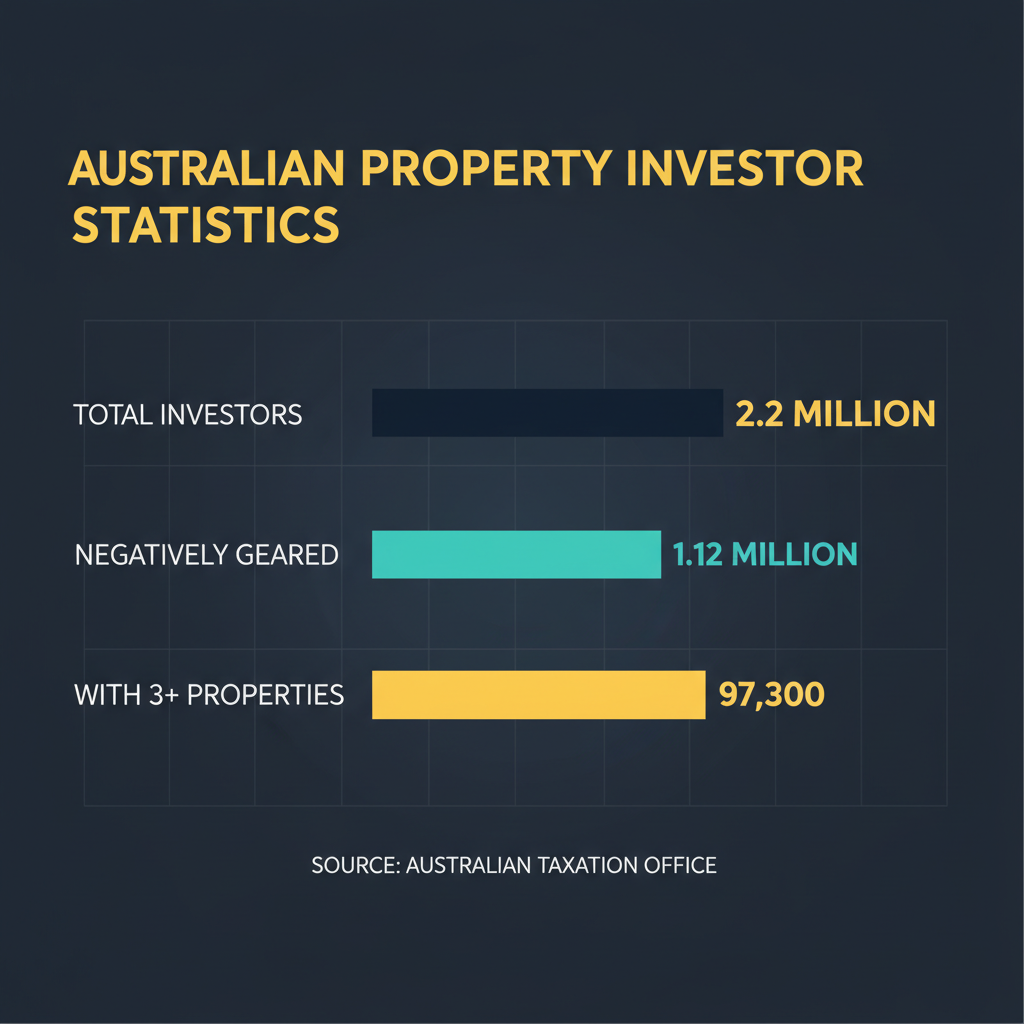
Treasury is modelling rules that would limit negative gearing deductions to a maximum of two investment properties per person. If you own three or more, the rental losses on your additional properties would be quarantined. They could only be offset against future rental income from those properties, not against your salary or wages.
ATO data shows just over 97,300 investors (about 4% of Australia's 2,261,000 investors) have three or more negatively geared properties. The majority of these (60,700) have exactly three negatively geared properties.
If changes go ahead, it's highly likely that existing property investments would be grandfathered. This means the new rules would apply to future purchases only, not to properties you already own. This was the approach Labor took to the 2019 election, and Treasury modelling for the current proposals operates on the same basis.
The Capital Gains Tax Discount Explained
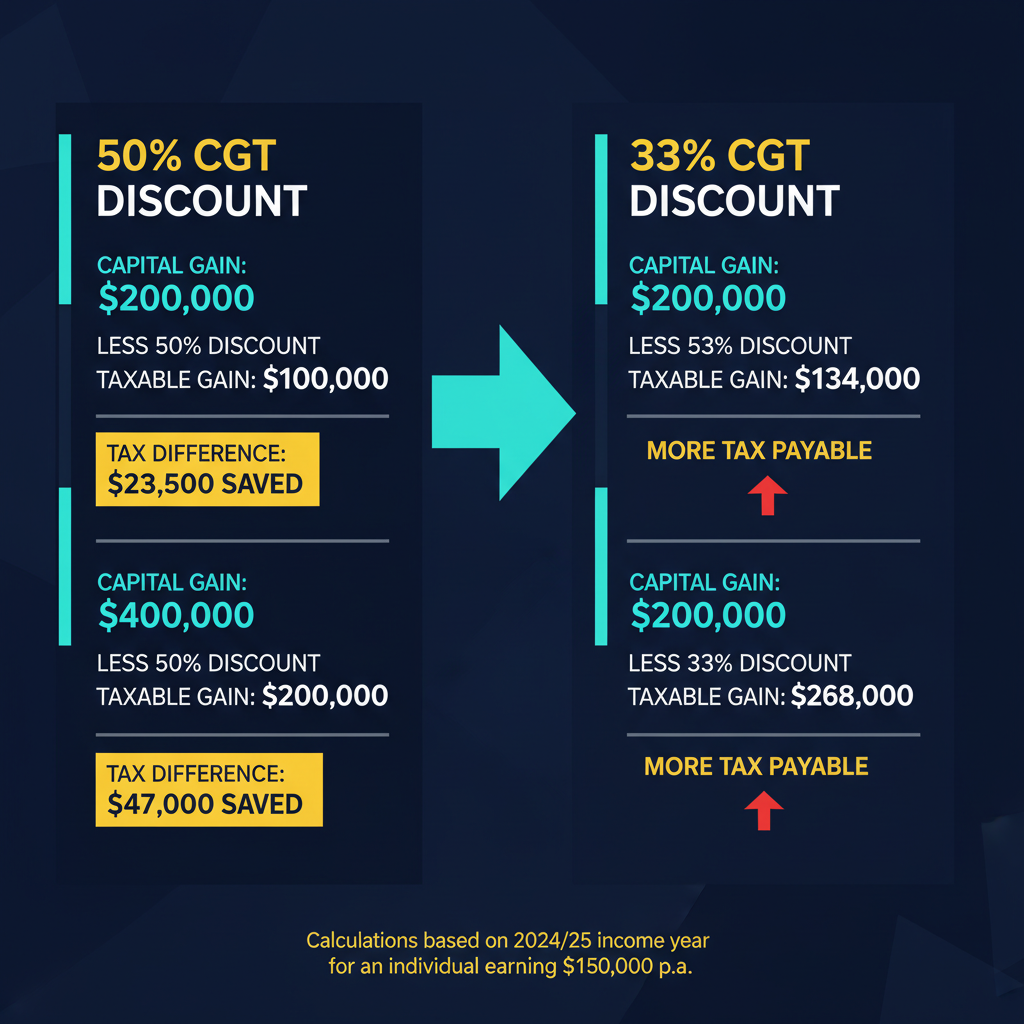
Currently, if you hold an investment property for more than 12 months, you pay CGT on only 50% of the capital gain. The government is exploring a reduction to 33%.
Why the CGT Discount Matters
Capital growth is the endgame for negative gearing. If you sell a property for a $200,000 profit after 10 years, today you'd pay CGT on $100,000. Under the proposed 33% discount, you'd pay CGT on $134,000.
For investors in the 47% tax bracket, that's an extra $15,980 in tax on a $200,000 gain. On a $400,000 gain held 10 years, the difference is roughly $47,000.
It doesn't kill the strategy, but it tightens margins and makes property selection even more critical. Properties need stronger fundamentals to deliver acceptable after-tax returns.
How Other Countries Compare
Australia's CGT discount is not unusually generous by global standards. The US and UK tax capital gains at lower rates (around 0-20% in the US and 18-24% in the UK), well below top income tax rates. Canada allows a 50% discount on capital gains. New Zealand generally does not tax capital gains on long-term investment property unless it was bought for speculative profit from quick resale.
Why These Changes Are Being Discussed Now
The Grattan Institute estimates that reducing the capital gains tax discount from 50% to 33% and capping negative gearing could save the federal budget billions annually. The Parliamentary Budget Office confirms this revenue windfall could exceed $10 billion over the next decade.
Supporters argue the current system favours wealthy multi-property investors over first-home buyers. The Australian Greens argue that existing tax breaks allow cashed-up investors to outbid everyday Australians, artificially inflating demand.
The Case Against Reform
Critics, including the Property Council of Australia and the Real Estate Institute of Western Australia, warn that reducing tax incentives could push investors to raise rents or exit the market, worsening rental supply.
Modelling by Qaive and Tulipwood Economics commissioned by REIA, Master Builders Australia, HIA, and the Property Council shows that removing negative gearing for all new and current rental properties, except for one current property per investor, would reduce GDP by $3.1 billion in net present value terms and reduce dwelling starts by 45,500 over five years.
Impact on Rental Supply
If investors exit the market, rental supply will decline. This will see vacancy rates tighten and increase upward pressure on rents. In markets like Brisbane and Perth where vacancy rates already sit below 1%, this is the last thing tenants need.
Changing the CGT discount is also likely to reduce appetite for investing in property, exacerbating supply constraints over time and making renting more difficult and expensive.
What It Means for Current Property Investors
If you own two or fewer investment properties, the negative gearing cap as proposed wouldn't affect you at all. If you own three or more, you need to run the numbers on what quarantined losses would mean for your annual cash flow.
Tax Strategy in Uncertain Times
On a $200,000 capital gain at the 37% marginal rate, you'd pay $37,000 under current rules versus $49,580 under the proposed discount. That's $12,580 more in tax. Model the CGT scenario for every property you're planning to sell in the next few years.
Tax strategy depends on your individual circumstances. This article gives you the overview, but the specific implications for your portfolio need professional advice. Speak to your accountant or financial adviser about how any proposed changes apply to your situation.
What Good Property Still Looks Like
Good property is good property regardless of the tax settings. A property in a suburb with genuine structural demand, tight supply, and strong tenant activity will still outperform a mediocre one whether the CGT rate is 50% or 33%.
The properties that survive a dual wind-back are high-yield assets: properties that generate real income, assets with genuine scarcity value in tight rental markets, suburbs where vacancy rates sit at 0.7% and tenants are competing for every listing.
If both negative gearing and the CGT discount are wound back simultaneously, deliberately running a cash-flow negative property purely for a discounted capital gain becomes a far less compelling strategy. Properties with strong rental yields hold up better under tighter tax settings.
How to Build a Future-Proof Investment Strategy
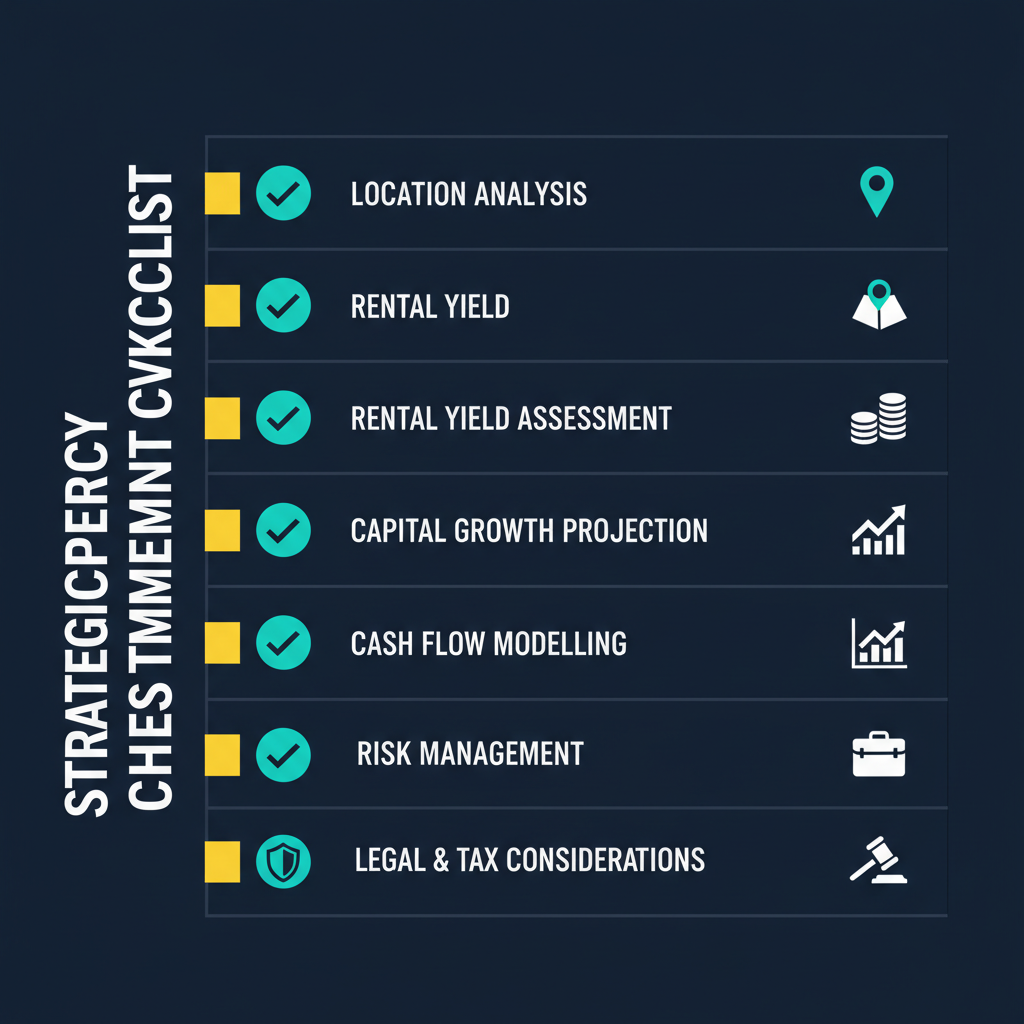
The investors who'll be best positioned regardless of what happens are the ones who buy based on data, hold for the long term, and don't over-leverage on the assumption that tax deductions will always look the same.
Focus on Fundamentals, Not Tax Breaks
Buying something you haven't properly assessed just to beat a tax change, one that may not even materialise in its worst form, is not the move. If you were already planning to buy, there is a sensible case for prioritising the next 60 to 90 days. But the property needs to stack up on its fundamentals.
Dragan Dimovski, founder of Buyers Agency Australia, has spent 20+ years helping investors navigate policy shifts exactly like this. His advice? Don't rely on tax breaks alone. Build portfolios that work with or without negative gearing, focusing on long-term fundamentals like location, infrastructure, and rental demand.
Strategic Property Selection Criteria
Negative gearing demands stable income. If you lose your job, face unexpected repairs, or can't find a tenant, the shortfall becomes a serious problem. In 2026, with interest rates sitting around 3.85% (down from a 2023 peak of 4.35%), many investors are still carrying loans at elevated rates.
A 1% rate increase on a $500,000 loan adds $5,000 per year in interest. That's an extra $416 per month you need to cover. If your property is already negatively geared by $10,000 annually, a rate hike pushes your out-of-pocket loss to $15,000.
Doctors, IT professionals, and business owners with consistent income can weather short-term losses while waiting for capital growth. It's a terrible strategy for those with irregular income, high debt, or tight cash flow. If you can't cover the shortfall for 5 to 10 years, don't negatively gear.
The 10-Year Investment Horizon
Negative gearing is a long game. You're trading short-term cash flow for long-term equity. Over 10 years, a $600,000 property growing at 6% per year becomes a $1.07 million asset. That $470,000 gain (minus CGT) can more than offset a decade of $10,000 annual losses.
But you need patience, discipline, and the right property. Buyers Agency Australia helps investors build 5 to 10-year roadmaps, modelling tax benefits, cash flow, and exit strategies to ensure every purchase aligns with long-term goals.
Why Investors Choose Buyers Agency Australia During Policy Uncertainty
When tax settings are under review and market conditions are shifting, working with an experienced buyers agent in Brisbane, Sydney, Melbourne, or Perth can be the difference between buying a property that survives policy change and buying one that doesn't.
Buyers Agency Australia uses data from CoreLogic, SQM Research, and boots-on-the-ground intel to identify suburbs with strong fundamentals, infrastructure investment, and supply constraints. Dragan's team focuses on buying below market value in high-growth corridors.
Governments can and do change tax rules. If the two-property cap becomes law, investors with larger portfolios face a sudden reduction in deductions. The winners in 2026 will be investors who focus on fundamentals: location, rental demand, capital growth, and asset quality.
They'll work with experts like Buyers Agency Australia to build portfolios that deliver long-term wealth, with or without negative gearing. If you're ready to build a tax-efficient, future-proof property portfolio, book a free strategy session with Buyers Agency Australia today.
Practical Steps Investors Can Take Right Now
As of April 2026, negative gearing and the CGT discount are unchanged. Treasury is modelling reforms. The budget is weeks away. When we know more, the picture will be clearer. In the meantime, focus on what you can control.
Assess Your Current Portfolio
Understand your exposure. If you own two or fewer investment properties, the negative gearing cap as proposed wouldn't affect you at all. If you own three or more, run the numbers on what quarantined losses would mean for your annual cash flow.
Model the CGT scenario. If you're planning to sell in the next few years, the difference between a 50% and 33% CGT discount is real money. Talk to your accountant. Tax strategy depends on your individual circumstances.
Keep Buying Well-Researched Properties
If the numbers stack up, the property is in a strong location, and your strategy aligns with your financial position, negative gearing changes don't change the fundamentals of property investment.
Buying well-researched properties at fair prices in strong locations works regardless of what Canberra decides. If you're buying interstate, the fundamentals of due diligence and location selection matter more than ever.
Document Everything for Your Accountant
The 6-year rule lets you treat a former primary residence as your main residence for CGT purposes for up to six years after you move out and start renting it, meaning you can sell it entirely tax-free within that window. This rule is not currently targeted in the reform discussions, but investors using it should keep their timeline documented and their accountant informed.
Frequently Asked Questions About Property Tax Reform 2026
Will negative gearing be abolished completely?
No. Treasury is modelling a cap limiting deductions to two properties per person, not abolishing it entirely.
When will we know the final details?
The Federal Budget in May 2026 is the key announcement date. Watch for official Treasury statements.
Do these changes apply to existing properties I own?
Likely not. Grandfathering provisions would protect existing holdings, applying new rules to future purchases only.
Should I rush to buy before the budget?
Only if the property genuinely stacks up on fundamentals. Don't buy something poorly assessed just to beat a potential tax change.
How can I protect my portfolio from policy risk?
Focus on high-yield assets in strong locations with tight rental markets. Diversify income sources and maintain cash reserves for rate shocks.
Final Thoughts on Navigating Tax Uncertainty
Negative gearing isn't dead, but it's evolving. With 2026 policy reforms looming, investors need to be smarter, more strategic, and more disciplined than ever. The days of buying any property and banking on tax breaks are over.
The winners in 2026 will be investors who focus on fundamentals: location, rental demand, capital growth, and asset quality. They'll work with experts like Buyers Agency Australia to build portfolios that deliver long-term wealth, with or without negative gearing.
If you're ready to build a tax-efficient, future-proof property portfolio, book a free strategy session with Buyers Agency Australia today. Let's turn market uncertainty into opportunity and build a portfolio that works regardless of what happens in the May budget.
Disclaimer: This article provides general educational information only and does not constitute financial or tax advice. Tax legislation is subject to change. Always consult a qualified financial adviser and registered tax agent for advice specific to your circumstances before making any investment decisions.
 General
Australian property investors face potential reforms to negative gearing and capital gains tax in the May 2026 budget,...
Property investors are moving away from Sydney in 2026 because median house prices have reached $1.6 million while rental yields have dropped below 3%, making cash flow impossible and locking out most buyers. Combined with rising interest rates reducing borrowing capacity by up to $50,000, investors are shifting capital to Brisbane, Adelaide, and Perth where entry prices are 30-50% lower and rental yields exceed 4.5%.
If you're searching for investment property in 2026, you've probably noticed something. Sydney keeps getting more expensive while delivering less income. You're not imagining it.
The city that once dominated Australia's property investor mindset is losing its appeal. Not because Sydney lacks long-term fundamentals, but because the math simply doesn't work anymore for anyone building wealth through property. Median house prices sitting at $1.6 million with gross rental yields below 3% mean you're paying premium prices for underwhelming returns.
Meanwhile, markets like Brisbane, Adelaide, and Perth are delivering what Sydney can't: affordable entry points, strong rental yields above 4.5%, and genuine capital growth momentum backed by infrastructure spending and migration. When Buyers Agency Australia works with interstate investors, the question isn't whether to leave Sydney—it's where to move capital next.
Sydney's Affordability Crisis Has Hit Breaking Point in 2026
Median Prices Make Entry Impossible for Most Buyers
Sydney's median house price reached $1.6 million in early 2026, according to Cotality data. That's not a premium suburb figure. That's the city-wide median.
For context, a buyer needs a $320,000 deposit (assuming 20% down) plus stamp duty of around $78,000 just to get through the door. You're looking at close to $400,000 in upfront capital before you own anything. Even with the expanded First Home Guarantee allowing 5% deposits up to $1.5 million, monthly repayments at current interest rates exceed $8,500 on a standard variable loan.
That's simply out of reach for the majority of Australian households, including experienced investors who would rather deploy that capital across multiple properties in higher-performing markets.
Rental Yields Below 3% Destroy Cash Flow
Sydney's gross rental yields have collapsed to around 2.8-3.0% for houses, the lowest of any Australian capital city. Units fare slightly better at 3.5-4.0%, but still lag behind interstate alternatives by 1-2 percentage points.
Let's be clear about what that means. On a $1.6 million house returning 3% gross yield, you're collecting $48,000 per year before costs. After property management fees, council rates, insurance, maintenance, and vacancy, your net yield drops closer to 2%. If you're borrowing at 6.5%, you're losing money every single month.
Investors can no longer rely on capital growth alone to justify holding negatively geared Sydney property, especially when interest rates have risen and borrowing capacity has tightened significantly in 2026.
Rising Interest Rates Have Cut Borrowing Power by $50,000
The RBA raised the cash rate to 4.10% in March 2026 following a February hike, reversing the rate cuts delivered in 2025. According to Canstar modelling, these two rate hikes alone have reduced borrowing capacity by approximately $25,000 for single-income earners and $49,000 for dual-income couples.
That's a direct hit to how much property you can afford. A buyer who could borrow $900,000 in late 2025 might only qualify for $850,000 today. In Sydney's market, that's the difference between securing a livable property and being priced out entirely.
For investors holding variable-rate loans, repayments have increased by hundreds of dollars per month since January 2026. On a $1 million loan, each 0.25% rate rise adds roughly $150 per month to repayments. Two hikes mean an extra $300 monthly, or $3,600 annually, straight off your cash flow.
Where Investors Are Moving Capital in 2026
Brisbane: 4-8% Growth with 4.5-5.5% Rental Yields
Brisbane has become the default interstate destination for Sydney investors, and the numbers explain why. Median house prices sit around $1.18 million as of February 2026, according to NAB market data, roughly $420,000 cheaper than Sydney.
More importantly, rental yields in Brisbane range from 4.5% to 5.5% in middle-ring suburbs, double what you'd achieve in Sydney. That's the difference between a negatively geared liability and a property that contributes positively to your portfolio cash flow.
Brisbane's annual growth rate hit 17.3% in 2025, driven by interstate migration, infrastructure spending linked to the 2032 Olympics, and vacancy rates below 1%. Major bank forecasts for 2026 range from 4% to 9.5% growth, with ANZ predicting the strongest performance at 9.5% and CBA on the conservative end at 5%.
The city benefits from $7.1 billion in Olympic infrastructure funding, including Cross River Rail, Brisbane Metro, and stadium upgrades. These aren't speculative projects. They're under construction, creating tangible employment and population growth that directly supports property demand.
When Buyers Agency Australia sources properties in Brisbane, the focus is on established suburbs within 10-20km of the CBD—places like Kenmore, Albany Creek, and Ormiston—where scarcity, transport links, and owner-occupier appeal combine to deliver long-term outperformance.
Adelaide: Median Prices Under $1 Million with 4.5-6.5% Yields
Adelaide remains Australia's most affordable capital city for property investment, with median house prices around $925,000 and units at $660,000, according to Cotality data for January 2026. That's nearly $700,000 cheaper than Sydney houses.
Rental yields in Adelaide range from 4.5% to 6.5% depending on suburb and property type, with northern suburbs near defence precincts and southern growth corridors offering some of the strongest cash-flow opportunities in the country. Vacancy rates remain exceptionally tight at 0.8%, among the lowest nationally, ensuring consistent rental demand.
Adelaide's property market delivered 8.8% annual growth in 2025, with forecasts for 2026 ranging from 4% to 6%. The city benefits from the $90 billion AUKUS submarine program, which is creating thousands of high-paying defence jobs at Osborne, driving sustained housing demand across northern and western corridors.
Infrastructure investment includes the North-South Corridor motorway, Gawler Line electrification, and ongoing hospital expansions. These projects improve connectivity and amenity across Greater Adelaide, making established suburbs like Elizabeth, Salisbury, and Morphett Vale increasingly attractive to both tenants and owner-occupiers.
For investors, Adelaide offers the rare combination of affordable entry, strong yield, and genuine capital growth potential—without the negative gearing trap that defines Sydney's market.
Perth: 8% Growth Forecast with Sub-1% Vacancy Rates
Perth is delivering some of the strongest investor outcomes in Australia, with median house prices around $960,000 and rental yields pushing 5-6% in high-demand suburbs. Vacancy rates sit at just 0.6% as of January 2026, according to SQM Research data, the tightest rental market in the country.
Western Australia's population surpassed 3 million in 2025, making it the fastest-growing state, yet new housing construction remains well below demand. Only 22,602 new homes were completed in the 2024-25 financial year, nowhere near sufficient to accommodate population growth.
Property values in Perth recorded 18.4% growth in 2024, with Westpac forecasting 8% growth for 2026. That's significantly above the national average and more than double Sydney's expected performance.
Perth benefits from a low mortgage-to-income ratio and relative affordability compared to eastern capitals, meaning buyers can secure quality property without stretching serviceability. For investors, that translates to better holding power and lower financial stress even as interest rates rise.
Median time on market in Perth is just 9 days, one of the fastest in Australia, signalling intense buyer competition and strong underlying demand. Properties lease in a median of 16 days, with suburbs like Subiaco and Joondalup moving even faster.
Buyers Agency Australia targets Perth's established suburbs near employment hubs and transport links, where infrastructure investment and scarcity combine to deliver both yield and growth.
The Financial Reality: Sydney vs Interstate Comparison
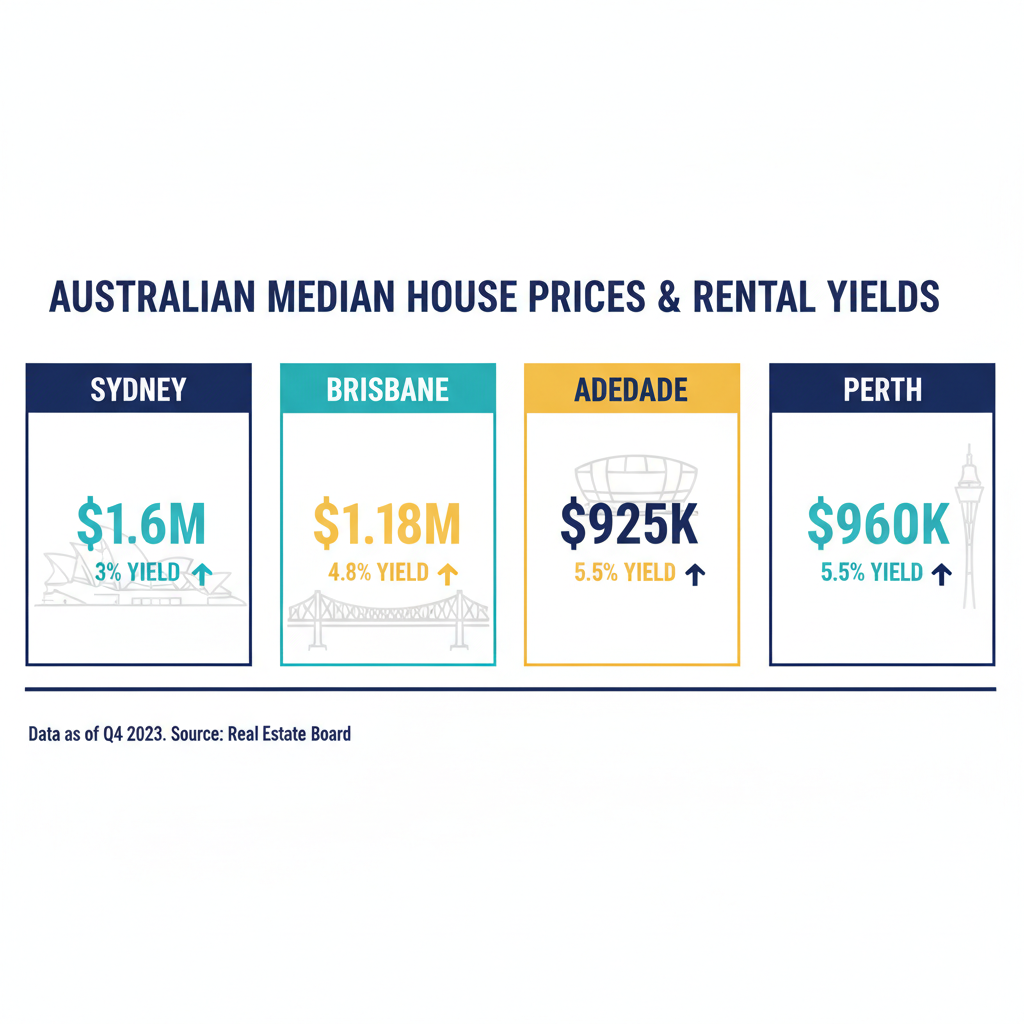
Entry Price and Deposit Requirements
Let's compare what $400,000 in upfront capital buys you across different markets.
In Sydney, that $400,000 covers your 20% deposit and stamp duty on a $1.6 million median house. You're borrowing $1.28 million at current variable rates around 6.5%, resulting in monthly repayments of approximately $8,500. Your gross rental income at 3% yield is $4,000 per month. You're losing $4,500 monthly before accounting for any other holding costs.
In Brisbane, the same $400,000 secures a $1.2 million property with a 20% deposit plus stamp duty. You're borrowing $960,000 with monthly repayments around $6,400. At a 4.8% gross yield, rental income is $4,800 per month. You're negatively geared by $1,600 monthly, but your equity position is stronger and capital growth forecasts are superior.
In Adelaide, $400,000 can secure you two investment properties. You could buy two houses at $500,000 each in high-yield northern suburbs, each with a 20% deposit ($100,000) and minimal stamp duty due to lower price points. Each property delivers 5.5% gross yield ($27,500 annually or $2,290 monthly). Your combined rental income is $4,580 per month against combined repayments of approximately $5,000. You're close to neutral cash flow while holding two appreciating assets.
In Perth, $400,000 secures a $900,000 property with strong yield and capital growth momentum. At 5.5% gross yield, you're collecting $4,125 monthly against repayments of $6,000. You're negatively geared by $1,875 monthly, but vacancy rates below 1% ensure consistent tenancy and minimal income gaps.
The takeaway: Every dollar of capital deployed interstate delivers better yield, lower holding costs, and stronger growth prospects than the same capital locked in Sydney.
Cash Flow Comparison: Sydney vs Brisbane
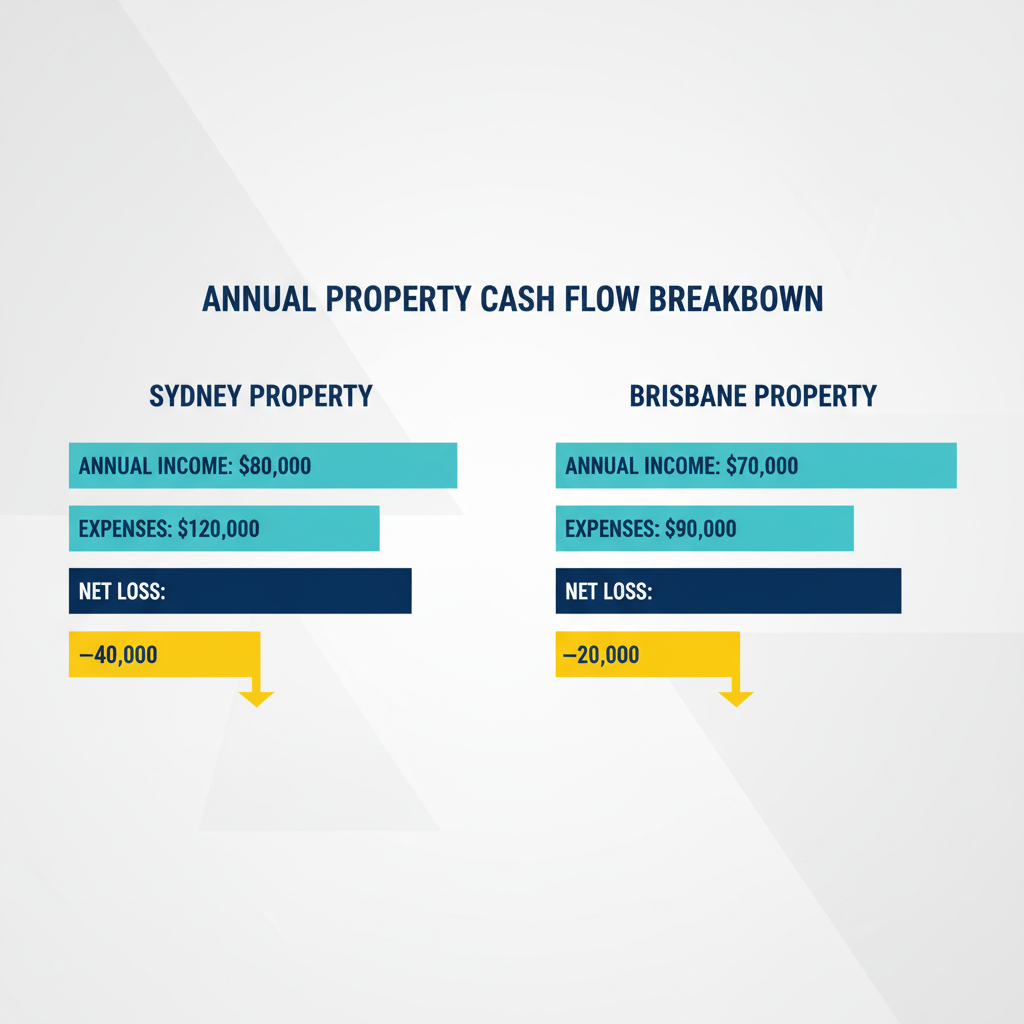
Let's run a side-by-side annual cash flow comparison for a $1.2 million investment property in Sydney versus Brisbane.
Sydney:
- Purchase price: $1.2M
- Gross rental yield: 3.0%
- Annual rental income: $36,000
- Annual loan repayments (80% LVR at 6.5%): $62,000
- Property management (7%): $2,520
- Council rates: $2,000
- Insurance: $1,200
- Maintenance (1% of property value): $12,000
- Total annual costs: $79,720
- Net annual loss: $43,720
Brisbane:
- Purchase price: $1.2M
- Gross rental yield: 4.8%
- Annual rental income: $57,600
- Annual loan repayments (80% LVR at 6.5%): $62,000
- Property management (7%): $4,032
- Council rates: $1,800
- Insurance: $1,400
- Maintenance (1% of property value): $12,000
- Total annual costs: $81,232
- Net annual loss: $23,632
Brisbane delivers $20,000 better cash flow annually on the same purchase price. Over a 10-year hold, that's $200,000 less capital required to fund the investment, significantly improving your overall return on equity.
When you factor in Brisbane's superior capital growth forecasts (4-8% vs Sydney's 5-7%), the gap widens further. Brisbane isn't just cheaper to hold—it's likely to outperform Sydney on appreciation as well.
Tax Implications and Negative Gearing
Negative gearing remains a key strategy for Australian property investors, allowing you to offset rental losses against your taxable income. But here's the issue: the larger your annual loss, the more capital you need to fund the investment.
In the Sydney example above, you're losing $43,720 annually. At a marginal tax rate of 37%, you're getting back roughly $16,200 via negative gearing, leaving you $27,520 out of pocket each year. Over 10 years, that's $275,000 in after-tax cash you've pumped into holding the property.
In Brisbane, your annual loss is $23,632. At the same tax rate, you recoup $8,740, leaving you $14,892 out of pocket annually. Over 10 years, that's $148,900—still significant, but $126,000 less than Sydney.
The difference is stark. Negative gearing is supposed to accelerate wealth creation by allowing you to hold growth assets you couldn't otherwise afford. But when the losses become too large, you're simply burning capital.
Smart investors in 2026 are prioritizing markets where negative gearing supports growth, not where it's required just to stay afloat.
Why Borrowing Capacity Matters More Than Ever in 2026
Serviceability Buffers Are Tightening
Lenders assess your ability to service a loan by stress-testing repayments at rates 3% above the actual loan rate. With variable rates now sitting around 6.5%, lenders are testing your serviceability at 9.5%.
That buffer has always existed, but as actual rates climb, the gap between what you can theoretically afford and what lenders will approve shrinks rapidly. A borrower who qualified for $800,000 at 5.5% variable might only qualify for $720,000 at 6.5%, even if their income hasn't changed.
New debt-to-income (DTI) restrictions introduced in February 2026 further limit high-leverage lending. Banks are now required to restrict the share of new loans with DTI ratios above six times gross income, making it harder for investors to borrow large sums relative to their earnings.
For Sydney investors, this creates a double bind. Prices remain elevated, but your ability to borrow has deteriorated. You're forced to bring more equity to the table or accept a lower-quality property in a less desirable location.
Interstate markets offer a path forward. Lower entry prices mean you can secure quality property within tightened serviceability limits, preserving your borrowing capacity for future purchases.
Rising Interest Rates Have Reset the Market
The RBA's decision to hike rates twice in early 2026 marked a clear shift in monetary policy. After three rate cuts in 2025, inflation rebounded in the second half of the year, forcing the central bank to reverse course.
The March 2026 rate hike was decided by a 5-4 vote, with all board members acknowledging inflation remains above target and risks tilting upward due to geopolitical factors, according to the RBA's official statement. That split decision signals further hikes remain possible if inflation doesn't moderate.
Markets are currently pricing a roughly even chance of another 0.25% hike in May 2026. If that occurs, variable mortgage rates will climb above 7%, pushing monthly repayments on a $1 million loan past $7,500.
For investors, this environment demands careful market selection. Sydney's combination of high entry prices, low yields, and rising rates creates a perfect storm of negative cash flow and constrained borrowing capacity. Interstate markets with stronger yields and lower entry prices offer better risk-adjusted returns.
Interstate Investment Preserves Future Borrowing Power
One of the most overlooked benefits of interstate investment is borrowing capacity preservation. When you buy a $600,000 property in Adelaide instead of a $1.6 million property in Sydney, you're using $1 million less debt.
That unused borrowing capacity remains available for your next purchase. It allows you to scale your portfolio faster, acquiring multiple properties across different markets instead of tying all your equity and serviceability into a single Sydney asset.
Buyers Agency Australia works with investors to model 10-year portfolio strategies that prioritize diversification and borrowing power preservation. The goal isn't just to buy one property—it's to build a portfolio of 3-5 properties over a decade that collectively deliver strong cash flow and capital growth.
Sydney's pricing makes that impossible for most investors. Interstate markets make it achievable.
How Buyers Agency Australia Helps Investors Identify the Right Interstate Markets
Data-Driven Market Selection Based on Yield and Growth
Buyers Agency Australia doesn't chase headlines or speculative hotspots. The firm's approach is built on data-driven analysis of rental yield, capital growth history, vacancy rates, infrastructure investment, and employment diversity.
Founder Dragan Dimovski has over 20 years of property investment experience and a personal portfolio exceeding $10 million. That experience informs every market recommendation and property selection.
When assessing interstate markets, the firm prioritizes:
- Rental yield above 4.5%: Ensures positive or near-neutral cash flow, reducing the capital drain of negative gearing.
- Vacancy rates below 2%: Indicates strong tenant demand and minimal income disruption.
- Infrastructure catalysts: Transport upgrades, employment hubs, and government investment drive long-term demand.
- Population growth: Interstate and overseas migration create sustained housing demand.
- Median price relative to Sydney: Lower entry prices improve affordability and borrowing capacity utilization.
This framework consistently identifies Brisbane, Adelaide, and Perth as superior alternatives to Sydney for investors focused on wealth creation rather than postcode prestige.
End-to-End Service for Interstate Buyers
Buying interstate presents unique challenges. You're evaluating suburbs you may never have visited, dealing with unfamiliar property managers, and navigating interstate settlement processes.
Buyers Agency Australia removes that complexity. The firm handles:
- Market research and suburb selection based on your investment criteria
- Property inspections and due diligence (building and pest, title searches, council checks)
- Negotiation and contract management
- Coordination with conveyancers, lenders, and property managers
- Post-settlement support including tenant placement and ongoing portfolio reviews
You're not simply handed a list of properties and left to figure out the rest. You're guided through every step by a team with boots-on-ground expertise in each target market.
That level of support is particularly valuable for time-poor professionals who recognize the opportunity in interstate investment but lack the bandwidth to execute independently.
Transparent Fixed-Fee Model Aligns Incentives
Buyers Agency Australia operates on a transparent fixed-fee model, not a percentage of purchase price. That structure eliminates the incentive to push clients toward more expensive properties and ensures advice is genuinely aligned with your financial goals.
Whether you're buying a $500,000 property in Adelaide or a $1.2 million property in Brisbane, the service level and strategic advice remain identical. The focus is on finding the right property for your portfolio, not maximizing the agency's commission.
Clients also benefit from access to off-market opportunities—properties that never hit public listings. In competitive interstate markets like Brisbane and Perth, off-market access can be the difference between securing a high-quality asset and missing out entirely.
To explore how Buyers Agency Australia can help you identify the highest-performing interstate markets for your portfolio, book a free strategy session.
Key Risks and Considerations for Interstate Investment
Market Volatility and Economic Cycles
No property market moves in a straight line. Brisbane, Adelaide, and Perth have all experienced cycles of boom and correction over the past two decades.
Perth, in particular, has a history of volatility tied to Western Australia's resources sector. The city's property market surged during the mining boom of 2012-2014, then corrected sharply when commodity prices fell. Prices didn't recover to 2014 peaks until 2024.
That history doesn't invalidate Perth as an investment destination in 2026, but it does require careful property selection. Focus on established suburbs with diversified employment bases, not mining towns or outer-fringe developments entirely dependent on resources sector employment.
Brisbane and Adelaide have demonstrated more stable long-term growth trajectories, but both markets are currently experiencing above-average appreciation. Forecasts suggest moderation in 2027 as affordability constraints and higher interest rates temper demand.
Smart investors buy for the long term, not short-term speculation. If you're planning a 10+ year hold, current market cycles matter less than underlying fundamentals like population growth, infrastructure investment, and rental demand.
Property Management and Distance
Managing an interstate investment property requires a reliable property manager. You won't be driving past to check on maintenance issues or meeting tenants in person.
Choose a property manager with a strong local reputation, transparent fee structures, and proactive communication. Poor property management can erode returns through extended vacancies, deferred maintenance, and tenant disputes.
Buyers Agency Australia connects clients with vetted property managers in each interstate market, ensuring your asset is professionally managed from day one.
Distance also affects your ability to assess property condition before purchase. Rely on professional building and pest inspections, and don't skip due diligence just because a property looks good in photos.
Strata and Body Corporate Issues
If you're considering units or townhouses in Brisbane or Perth, pay close attention to strata fees and body corporate governance. High strata fees can erode cash flow, while poorly managed complexes can result in unexpected special levies for building repairs.
Request strata reports during due diligence and review the sinking fund balance, recent AGM minutes, and any planned major works. A complex with deferred maintenance or governance disputes is a red flag.
Houses on freehold land avoid these issues entirely but typically command higher purchase prices and lower rental yields than units. Weigh the trade-offs based on your cash flow priorities and risk tolerance.
Frequently Asked Questions
Is Sydney still a good long-term investment despite current challenges?
Sydney remains fundamentally strong due to population growth, employment diversity, and infrastructure investment. However, current pricing and yields make it unsuitable for most investors seeking cash flow or portfolio growth. Long-term holders with significant equity may benefit from appreciation, but new investors should prioritize interstate markets with better risk-adjusted returns.
How do I finance an interstate investment property?
Lenders treat interstate investment properties identically to local investments for serviceability and LVR purposes. You'll need a 20% deposit to avoid lenders mortgage insurance on investment loans. Work with a mortgage broker experienced in investment lending to compare rates and structures across lenders. Your borrowing capacity depends on income, existing debts, and the rental income the new property will generate.
What are the tax implications of owning interstate investment property?
Tax treatment is identical regardless of property location. You can negatively gear rental losses against your taxable income, claim depreciation on building and fixtures, and deduct expenses like property management, insurance, and loan interest. CGT applies when you sell, with a 50% discount available if you've held the property for more than 12 months. Consult a tax advisor to optimize your structure.
Should I visit the interstate market before buying?
Visiting helps you understand the area's amenity, transport links, and tenant appeal, but it's not essential if you're working with a buyer's agent who provides detailed market research and property inspections. Many successful interstate investors rely entirely on professional due diligence and never visit the property before settlement. Prioritize data over emotional attachment to location.
How quickly can interstate markets correct if interest rates keep rising?
Higher interest rates reduce borrowing capacity and dampen buyer demand, which can slow or reverse capital growth. However, markets with tight vacancy rates and strong rental yields tend to be more resilient because investors can still achieve positive cash flow. Brisbane, Adelaide, and Perth all benefit from structural supply shortages that support prices even as rates rise. Corrections are possible but less likely in markets with genuine demand fundamentals.
 General
Sydney's median house price has hit $1.6M while rental yields struggle below 3%. Investors are redirecting capital to...